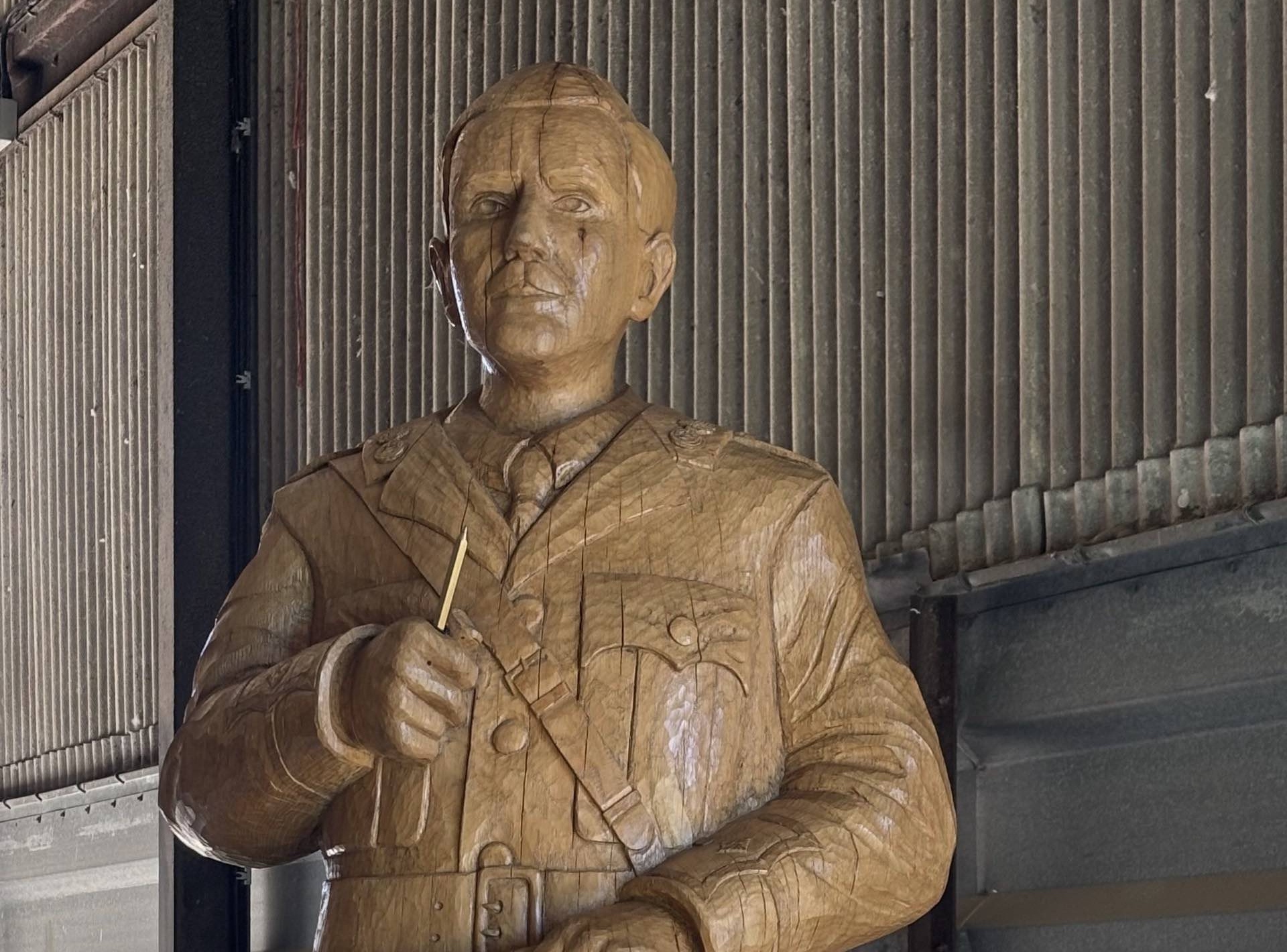
LORD of the Rings author J.R.R. Tolkien is returning to the scene of his greatest love story: the real-life romance that inspired the tale of Middle-earth lovers Lúthien and Beren – in Yorkshire.
It was in a hemlock glade close to the East Yorkshire village of Roos, that Edith Tolkien danced for her young husband during the summer of 1917, a year after they had married in Warwick.
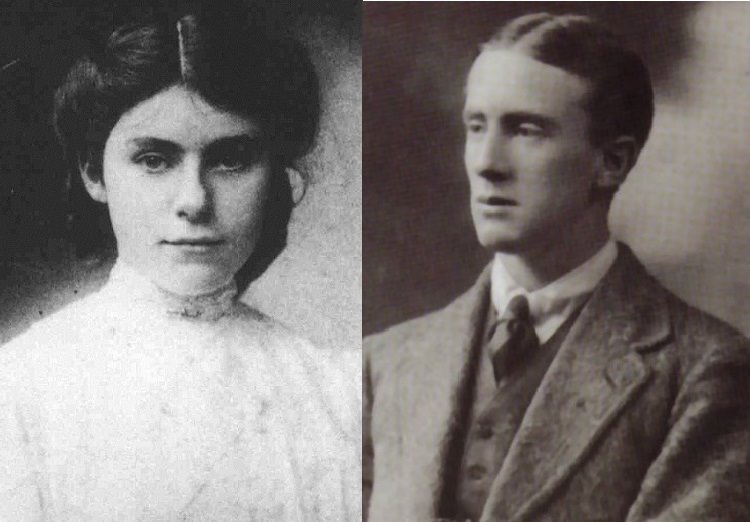
So cherished was the memory that the writer turned it into the tale of elf-maiden Lúthien, who gave up her immortality to marry mortal Beren, a scenario later mirrored in the LOTR love of Arwen and Aragorn.
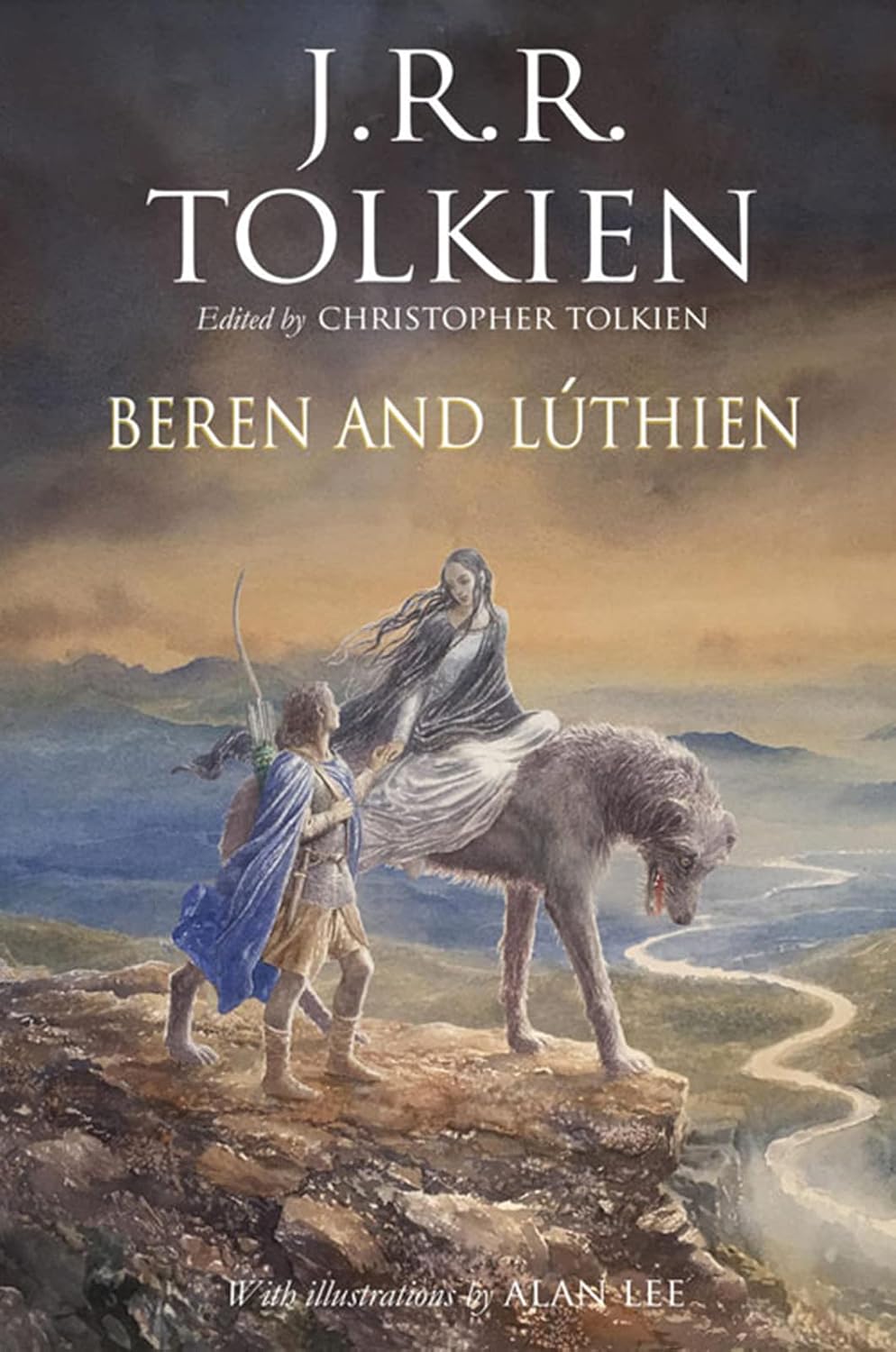
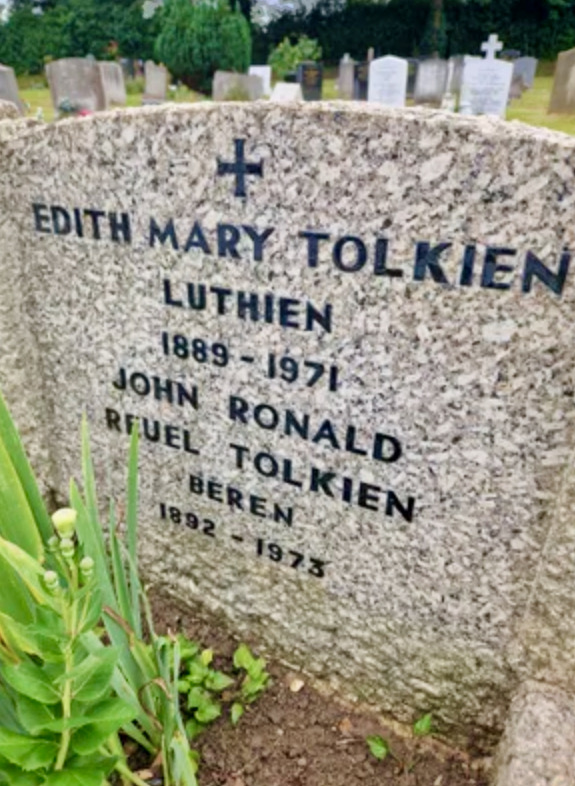
When his wife died in 1971, Tolkien had Lúthien inscribed on her headstone, and after Tolkien’s own death in 1973, Beren was added under his name. It is a love story with a literary legacy.
Now, that magical moment in the woods is to be immortalised in two new wooden statues set to be installed in East Yorkshire next month to celebrate the area’s influence on the fantasy author’s writing.
The hand-carved sculptures are the work of Lincolnshire artist Allen Stichler, who has crafted an eight-and-a-half feet high statue of the young Tolkien, and an oak slab depicting Edith dancing in silhouette.
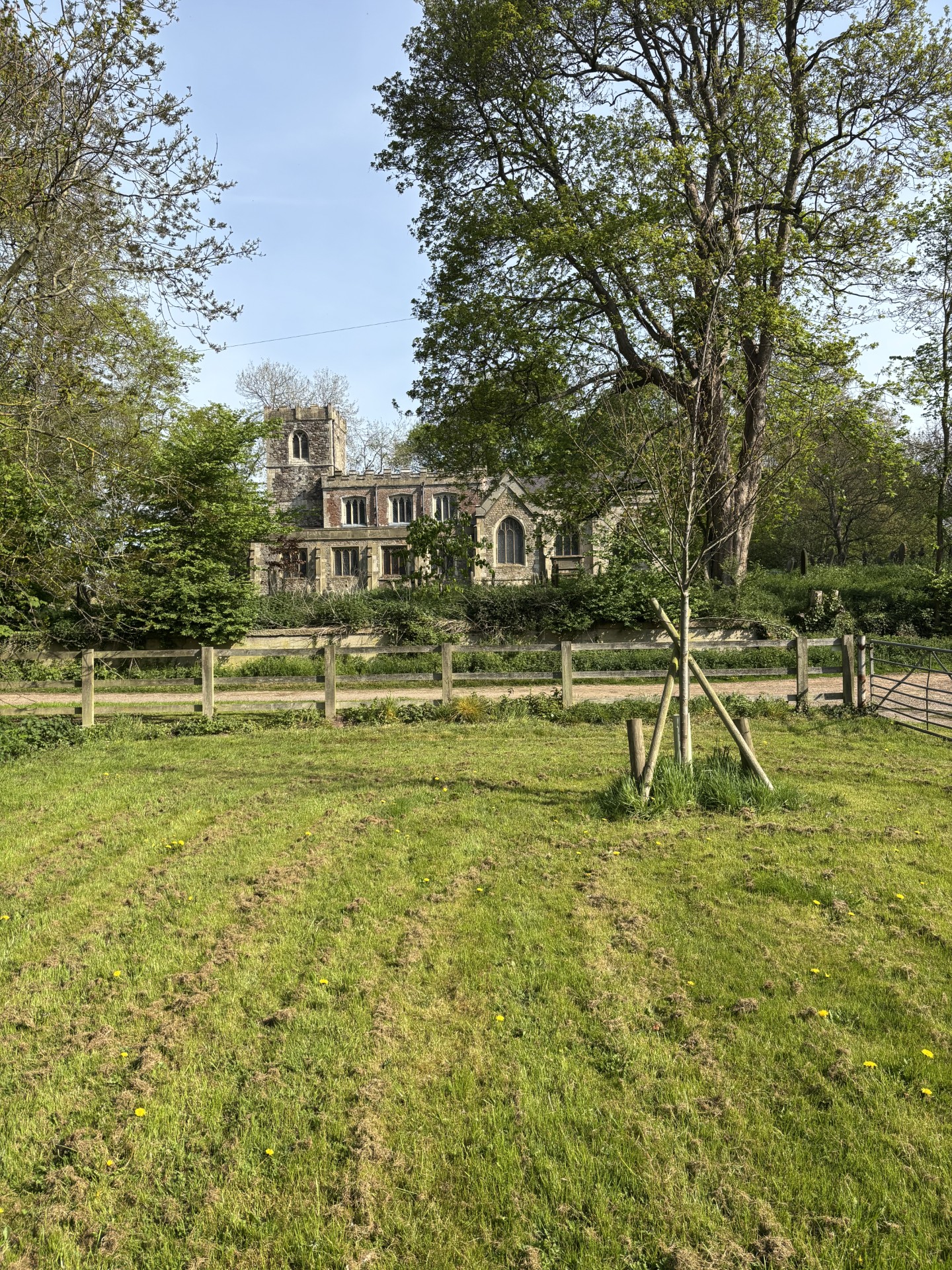
They will be unveiled on Friday June 6 at All Saints Church in Roos, between Hornsea and Withernsea, where a talk by historian Phil Mathison will be followed by official viewing from 10.30am.
Read more: Getting trolled at LOTR New Zealand studio
As well as invited guests, a hundred free public tickets will be available, but must be booked in advance, and are limited to a maximum of four per person.
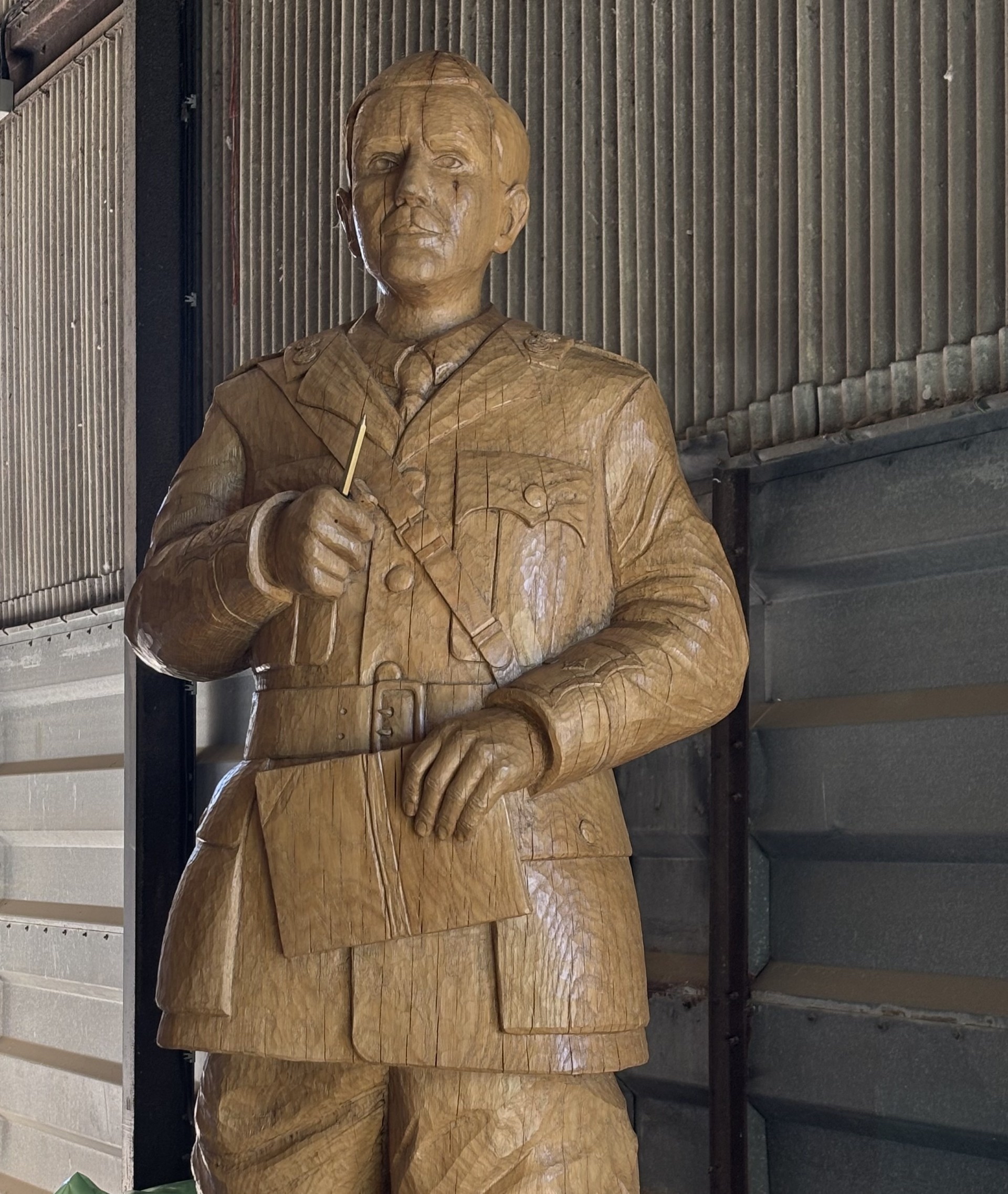
Tolkien spent 18 months in Hull and East Yorkshire while recovering from Trench Fever, and told son Christopher: “I never called Edith Luthien but she was the source of the story that in time became the chief part of The Silmarillion.
Read more: Lord of the Rings hero Treebeard is alive and well
“It was first conceived in a small woodland glade filled with hemlocks at Roos, where I was for a brief time in command of an outpost of the Humber Garrison in 1917, and she was able to live with me for a while. Her hair was raven, her skin clear, her eyes brighter than you have seen them, and she could sing – and dance.”
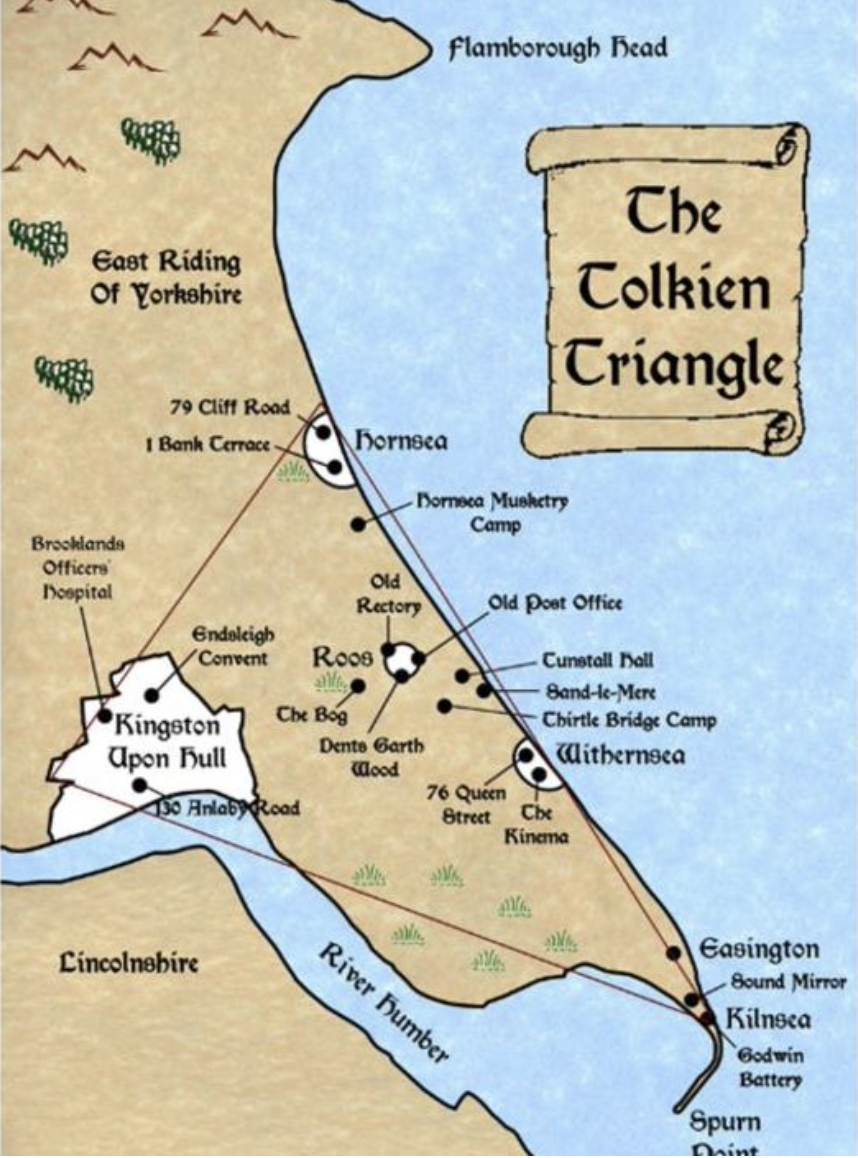
The statues will become the latest attraction of the existing self-guided trail around East Yorkshire’s The Tolkien Triangle, covering many of the towns and villages along the coast that the author visited during his convalescence from April 1917 to October 1918.
Read more: Tolkien triangle discovered in East Yorkshire
Free public tickets for the sculpture unveiling are bookable until June 6, or until all have been allocated, via this link. The project has been funded by East Riding of Yorkshire Council and Route Yorkshire Coast. For more on East Yorkshire as a destination, see www.visiteastyorkshire.co.uk
Read more: Getting into good Hobbits in LOTR country


 Paul Cole Writes
Leave a comment