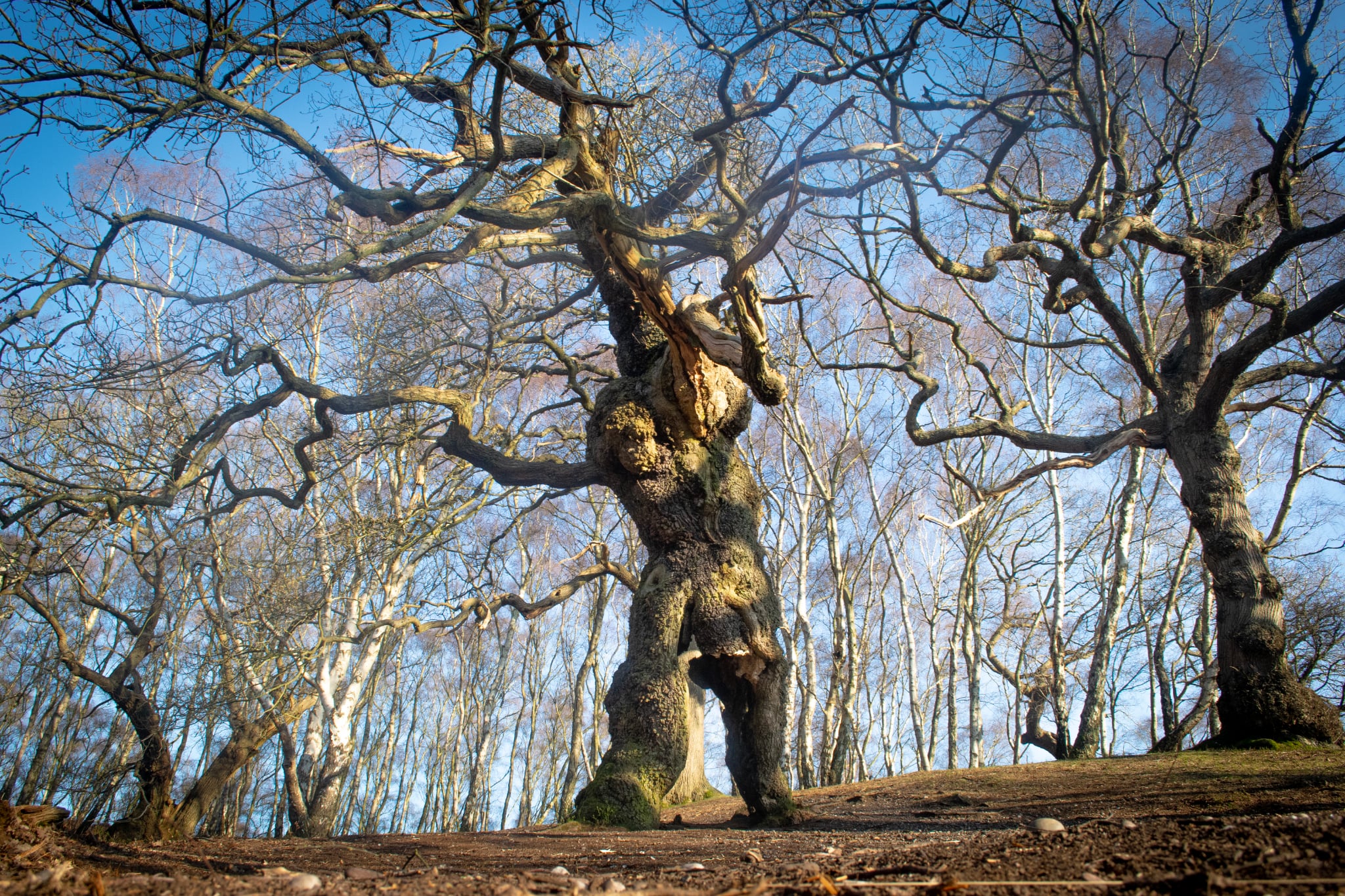
LORD of the Rings fans rejoice! Treebeard, leader of the walking, talking trees known as Ents, appears to be alive and well in the heart of a Midlands beauty spot.
These photos, snapped by my good friend and former colleague Steve Wollaston this morning in the heart of Cannock Chase, show the gnarled giant seemingly striding through the forest.
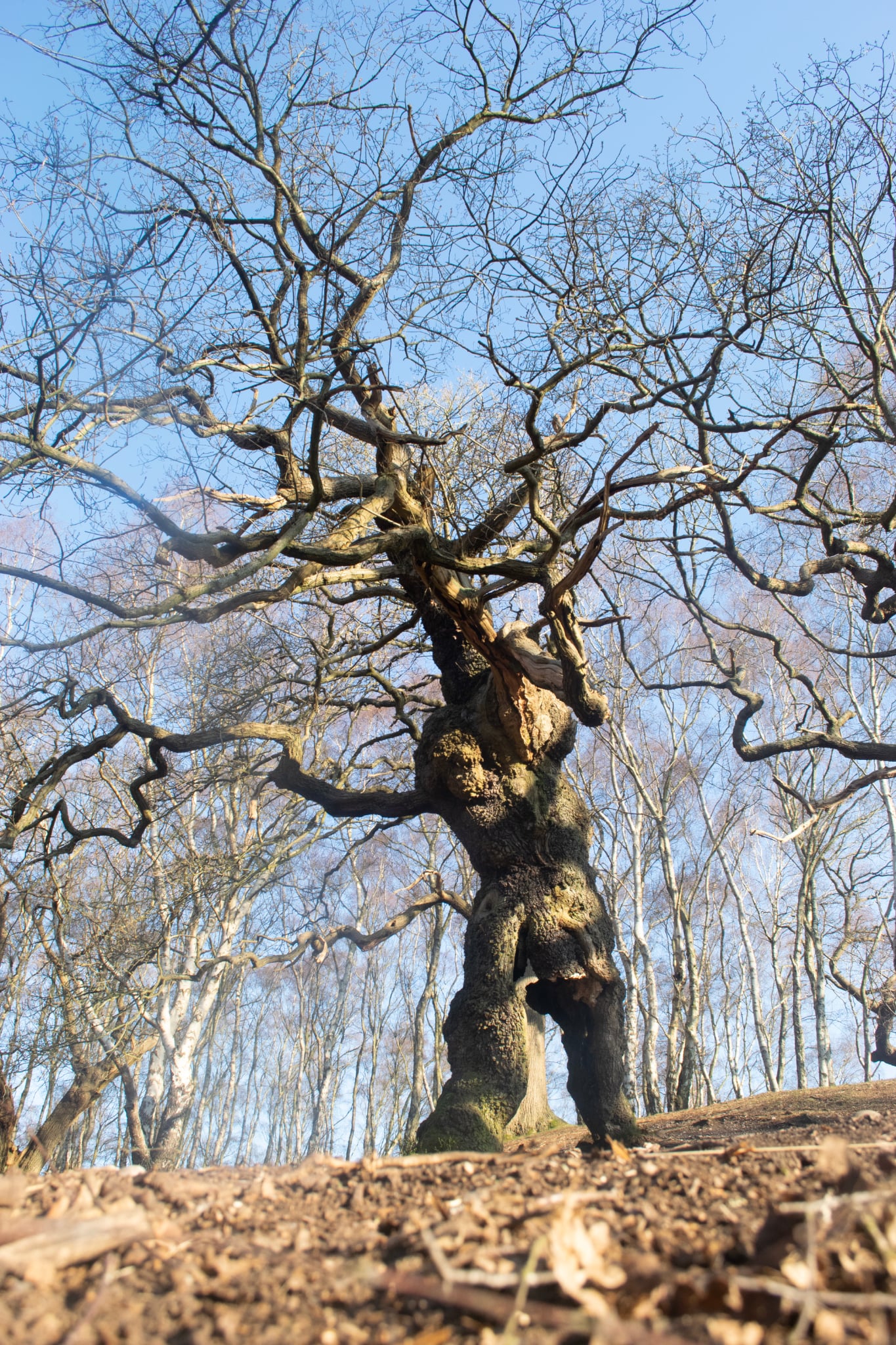
In fact, it’s not so fanciful. Because the tree is actually THE tree believed to have inspired JRR Tolkien when he was dreaming up the population of his fictional Middle Earth.
Read more: Getting into good hobbits in Lord of the Rings country
A short walk from the former prisoner of war camp on the Chase brings you to the tree, which boasts remarkable human-like features. Up close, there’s even a face in the bark.
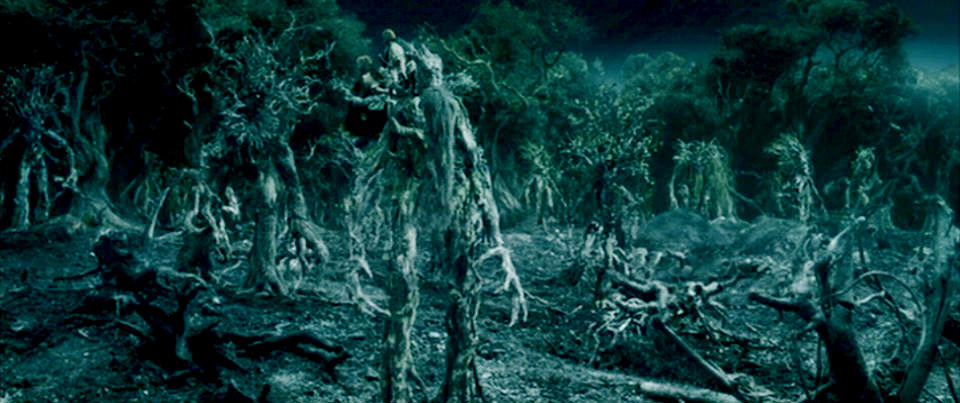
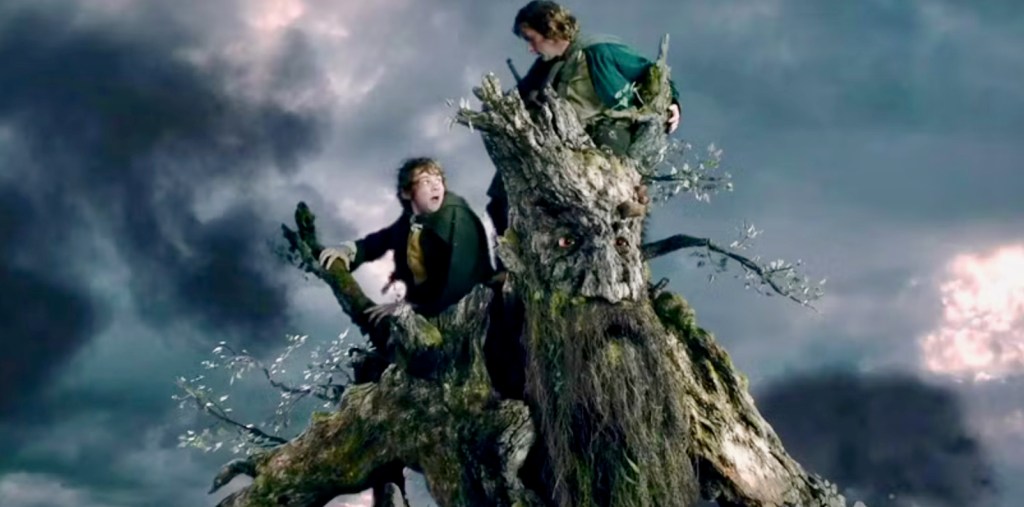
In the Lord of the Rings movies, the Ents played a vital role in helping secure success for the powers of good, marching on evil Saruman’s Isengard to lay waste to its furnaces.
Read more: Getting trolled in Lord of the Rings country
Believed to have been planted during the reign of Henry Vlll, the mighty oak would certainly have been seen by Tolkien, who served as a signals officer in The Great War and was based in the area.

He was stationed at Rugeley and Brocton Military Camps on Cannock Chase from November 1915 to June 1916, living nearby in the village of Great Haywood where a blue plaque is dedicated to him. When Tolkien was based there, he wrote The Fall Of Gondolin on the back of a sheet of military marching music.
Read more: Rings of Power spark overdue return to Hobbiton
It’s well known that other landmarks in the Midlands sparked his imagination, with Birmingham’s Moseley Bog inspiring the old forest of the saga, and Perrott’s Folly and the Edgbaston Waterworks tower the basis for the iconic Two Towers.
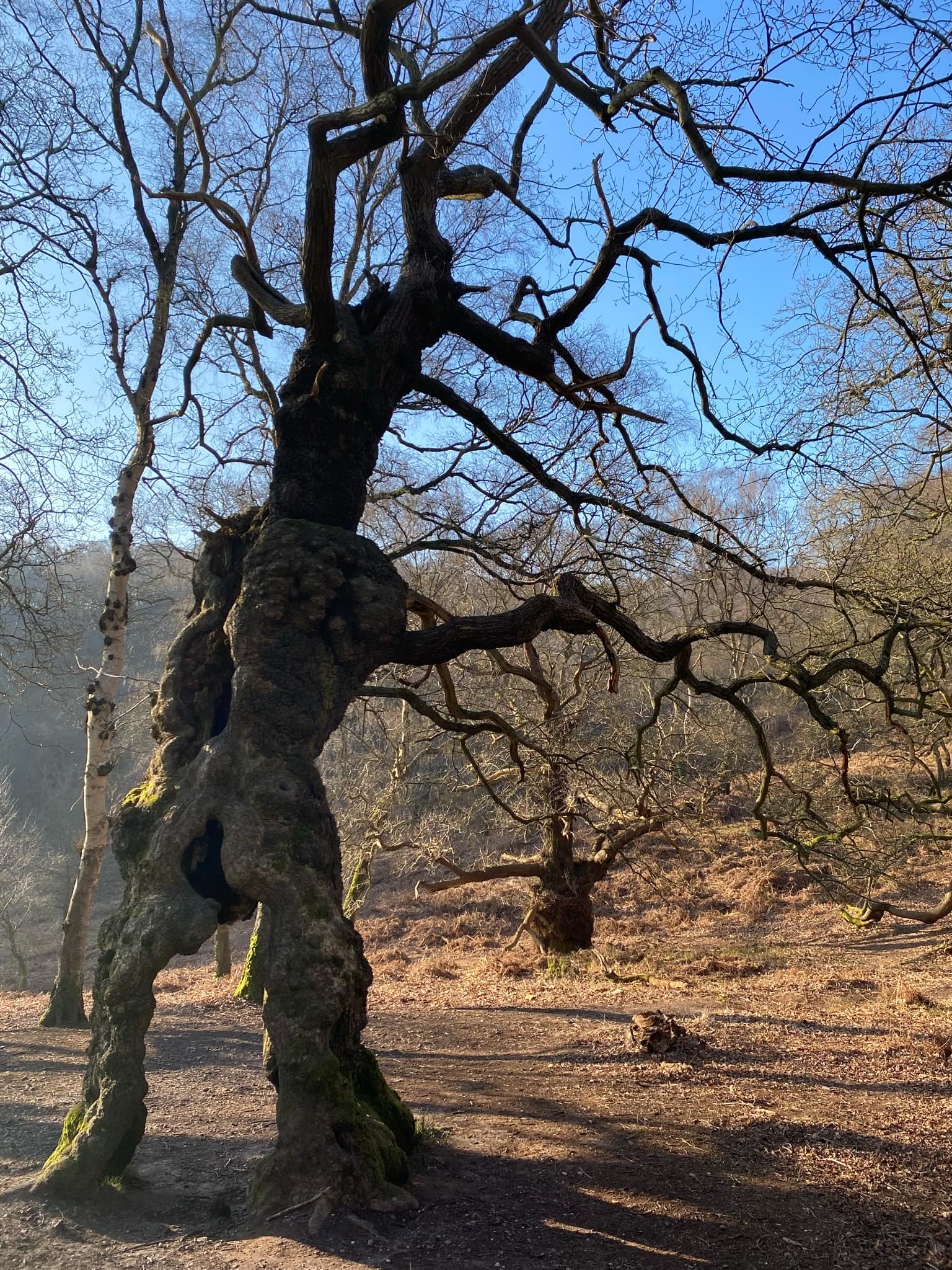
Local historian Richard Pursehouse says: “There is certainly strong circumstantial evidence for the tree being an influence. When you look at the picture, you go ‘Oh Yes!’.
Read more: Lord of the Rings triangle discovered in Yorkshire
“That’s what I thought when I first looked at it. Like Sherlock Holmes, in the absence of any other evidence, it is certainly a very strong posibility. It is more than 400 years old.”
Cannock Chase images courtesy of Steve Wollaston, with whom I worked for many years on the Sunday Mercury, and latterly for Reach plc, where Steve still works and is currently Midlands Head of Sport.



 Paul Cole Writes
2 comments ›