
THE eyes of the motorsport world will be on Silverstone this weekend, where Formula 1’s British Grand Prix is being staged at the event’s spiritual home – and, as ever, it’s expected to be a sell-out success.
The cachet of the event means that tickets can be eye-wateringly expensive. Those still on sale at the official site start at £309 for general admission to Sunday’s main event, and range up to £1,039 for a place in an exclusive enclosure.
Many of us will settle down to watch it on TV instead. Yes, we’ll miss the throaty roar of the engines and the adrenaline atmosphere but we’ll not need a second mortgage and get a better view of the race action into the bargain.
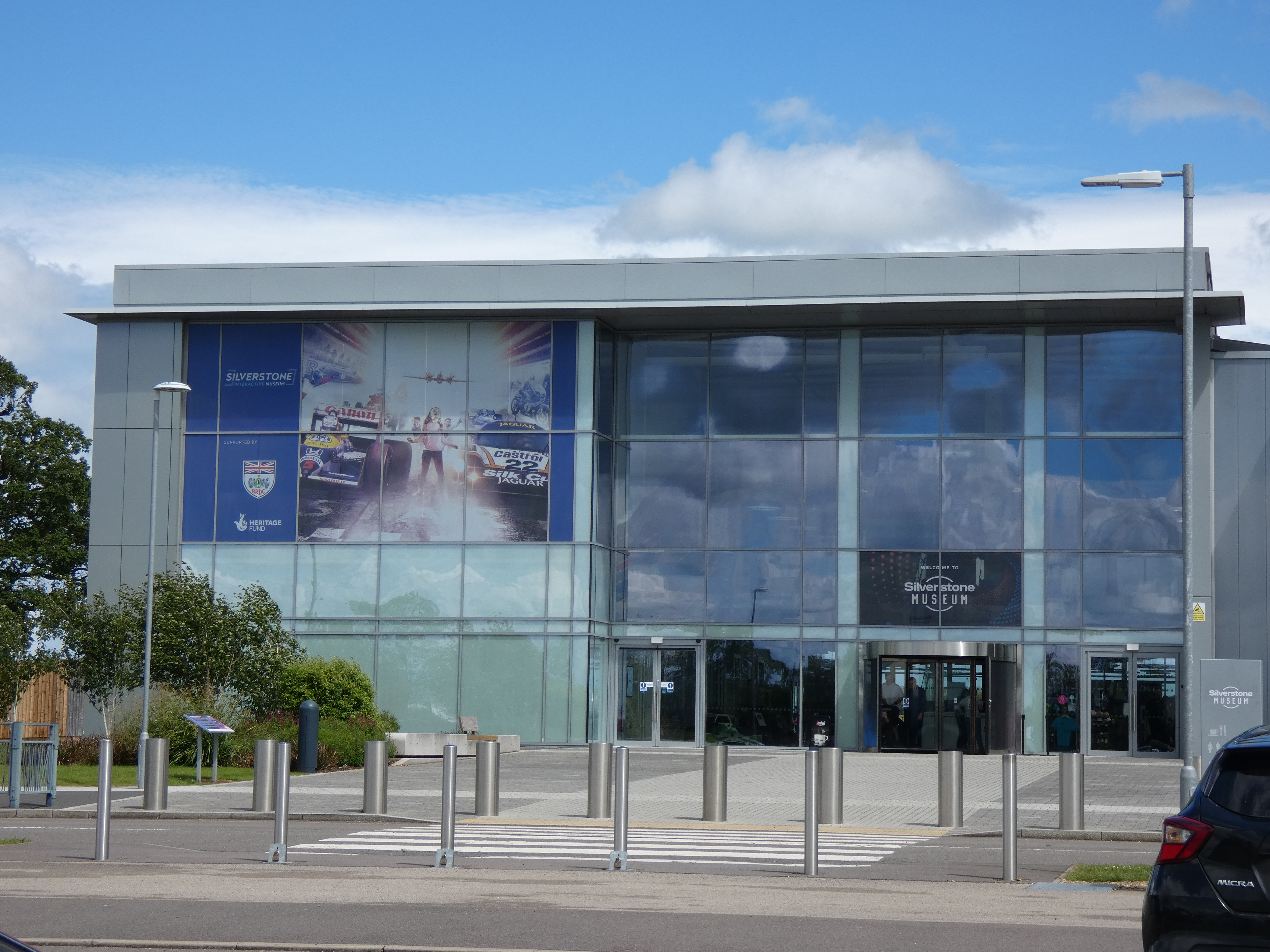
Yet you can still get your F1 fix in person at Silverstone for a fraction of the price, as I found out when I visited the excellent Silverstone Museum a couple of weeks ago, while they were setting the iconic track up for the Grand Prix.
The price? Just £22.50. Less for kids.

Ah, but it’s only a museum, I hear you say. We’ve been to motor museums before and, unless you’re absolutely bonkers about old cars, there’s not much to look at. Well, let me tell you, Silverstone is different – and it’s a winner from pole to chequered flag.


So what’s it like?
First thing we noticed upon arrival was the roar we thought we’d be unlikely to hear. Testing was obviously ongoing at the Mercedes test track on the Silverstone site (which you can’t see) and there were Caterhams racing round the real track (which you CAN watch).
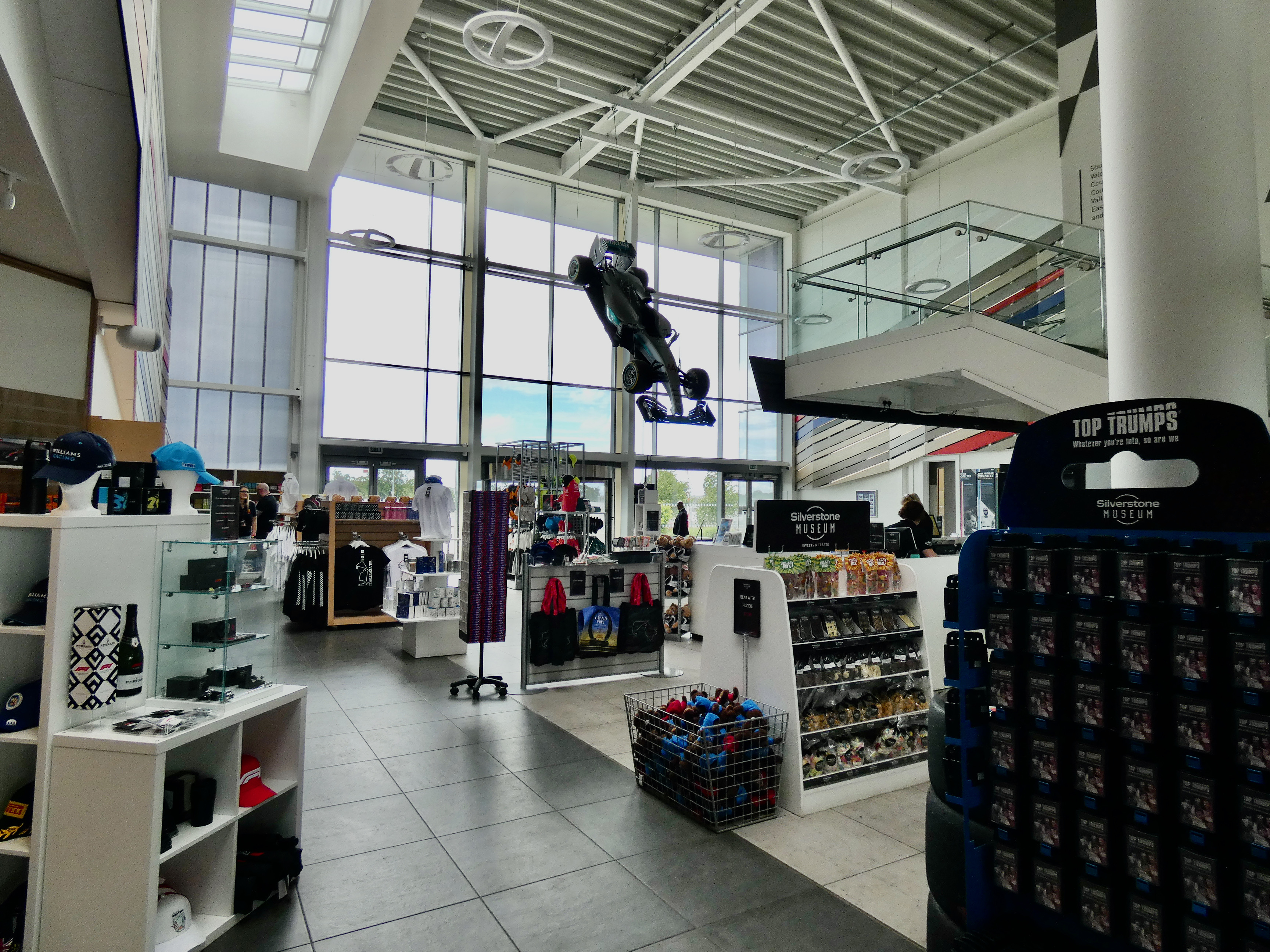
You enter the museum complex via the obligatory souvenir shop, where a car hangs from the ceiling, overlooking goodies ranging from pocket money prices to pricey replica race gear and team caps, and serious money for serious signed merchandise.

Now, you have a choice. You can head upstairs to the museum itself or pop outside to walk the self-guided Heritage Track Trail – included in the admission ticket – and visit iconic parts of the circuit, with commentary available on a free phone app.

Because of the building work taking place for the British GP, much of the trail was closed during our visit, but there was still access to a viewing platform from which we watched the Caterham cars we’d heard, racing round in practice for an upcoming meet.
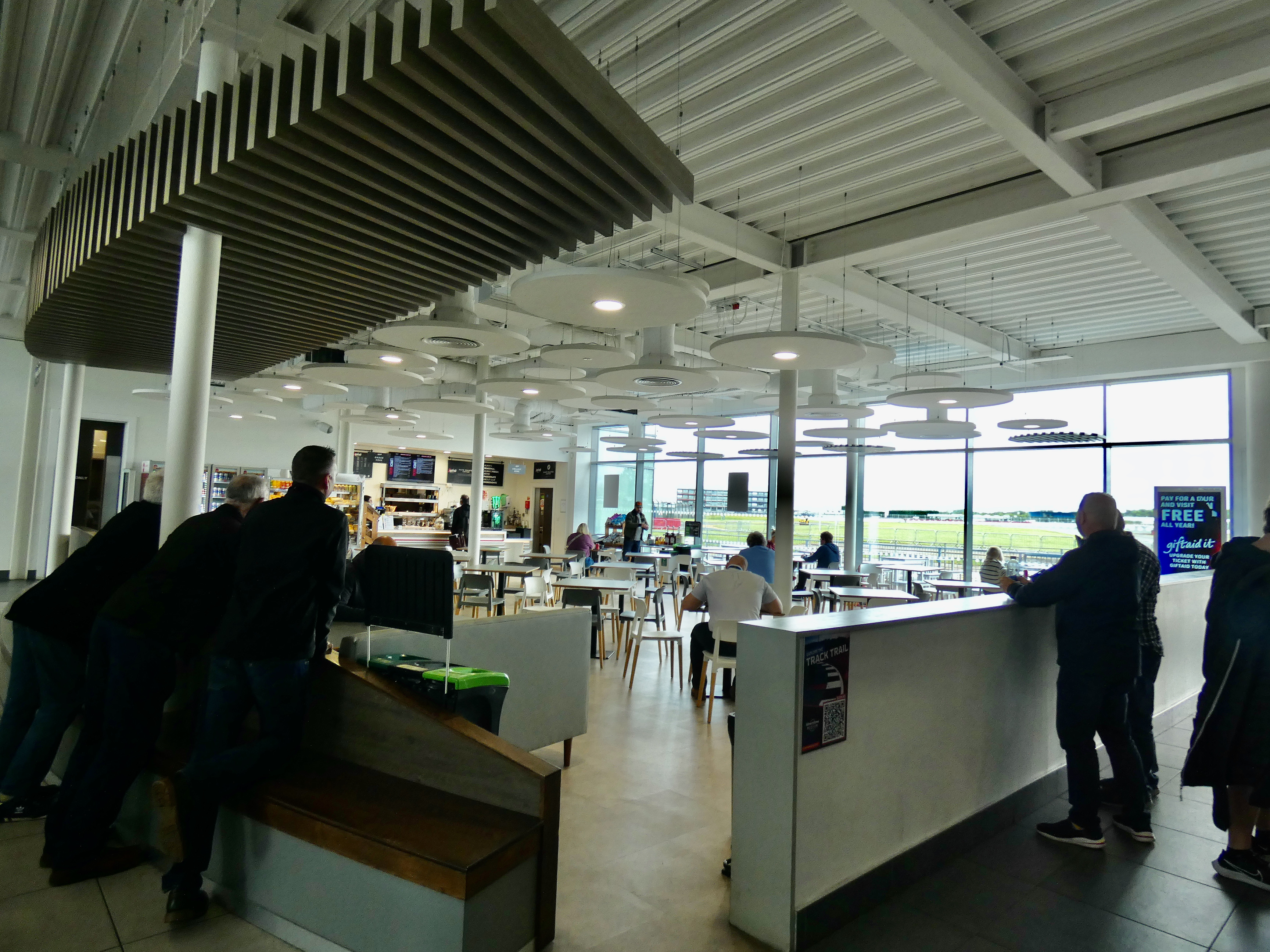
We lunched in the aptly-named Refuel Cafe then made our way up to the museum, which you enter through a short special effects-driven pre-show, which places you on the starting grid as the famous red lights count down to the ‘lights out!’ race start.

There’s the roar of engines, and some of the biggest names ever to race the circuit motor past on either side. Visuals here build anticipation nicely. The choice of drivers and riders seems random, but, trust me, all will become clear by the very end of your visit.
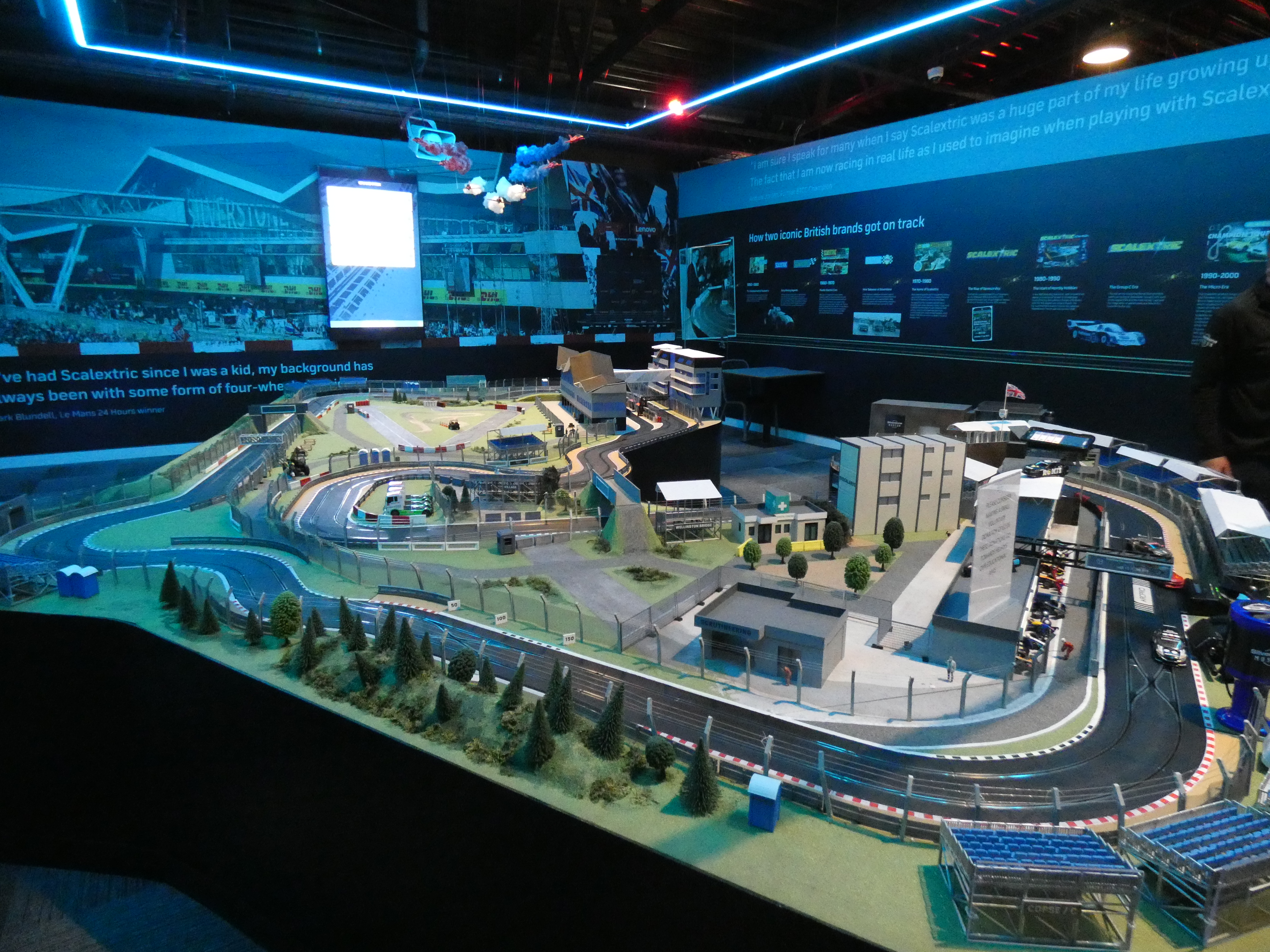
Once inside, there’s a Scalextric scale replica of the Silverstone track where you can pick up a throttle and race. Look out for small details hidden along the track, such as the lone Stig-like driver seated in one of the grandstands, and the Red Arrows overhead.


The first area of the museum proper traces the real-life track’s history and heritage, from its days as a wartime RAF base where the circuit was built to replace Brooklands, which had been damaged beyond repair during World War 2.
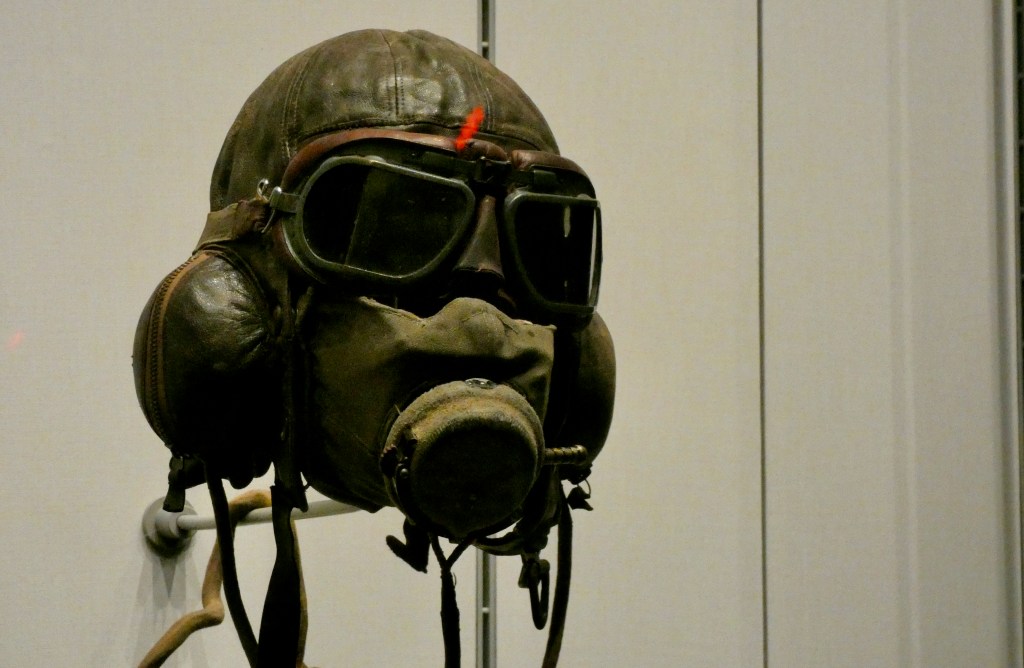
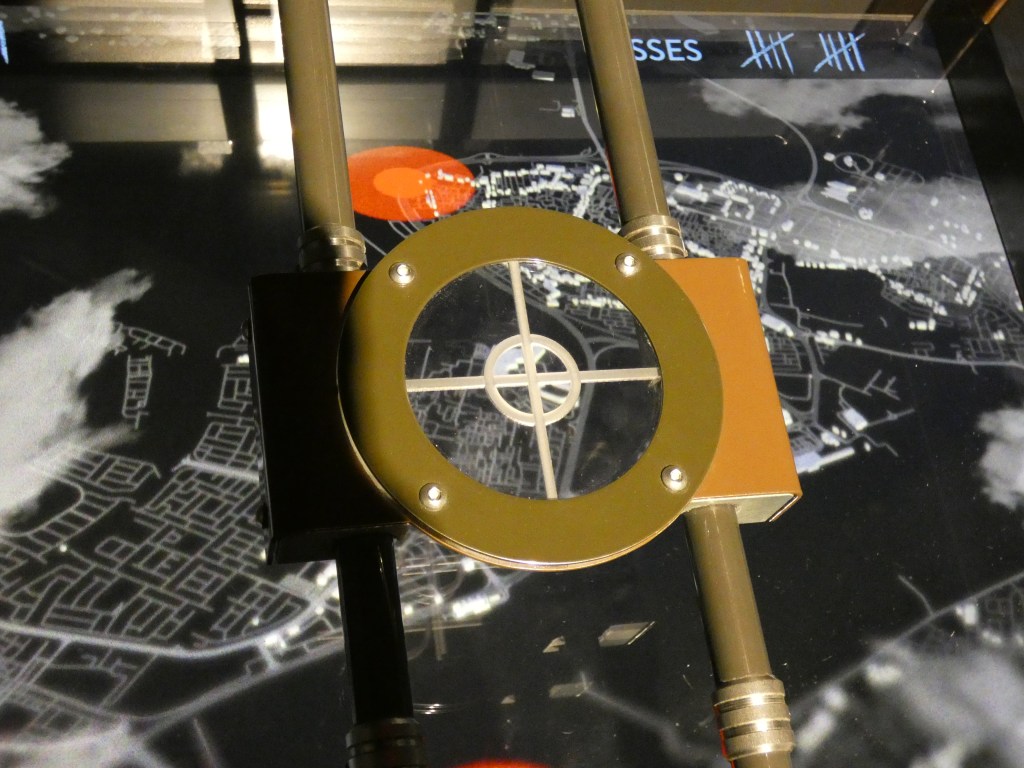

There are uniforms, videos including a moving memorial listing the names of the fallen, all manner of military memorabilia and interactives that the kids will love, where you can try your skills aiming bombs and downing balloons with an anti-aircraft gun.
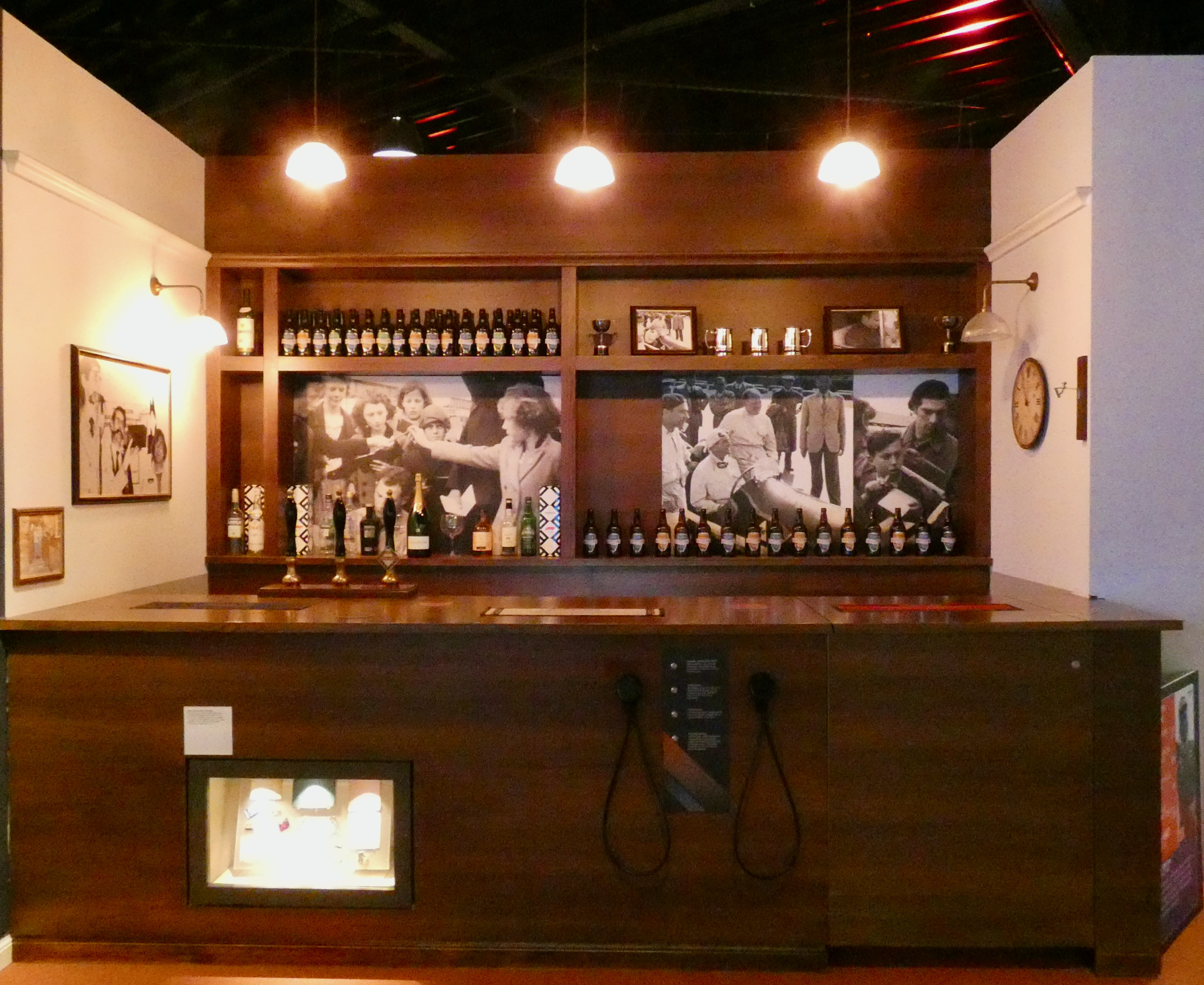
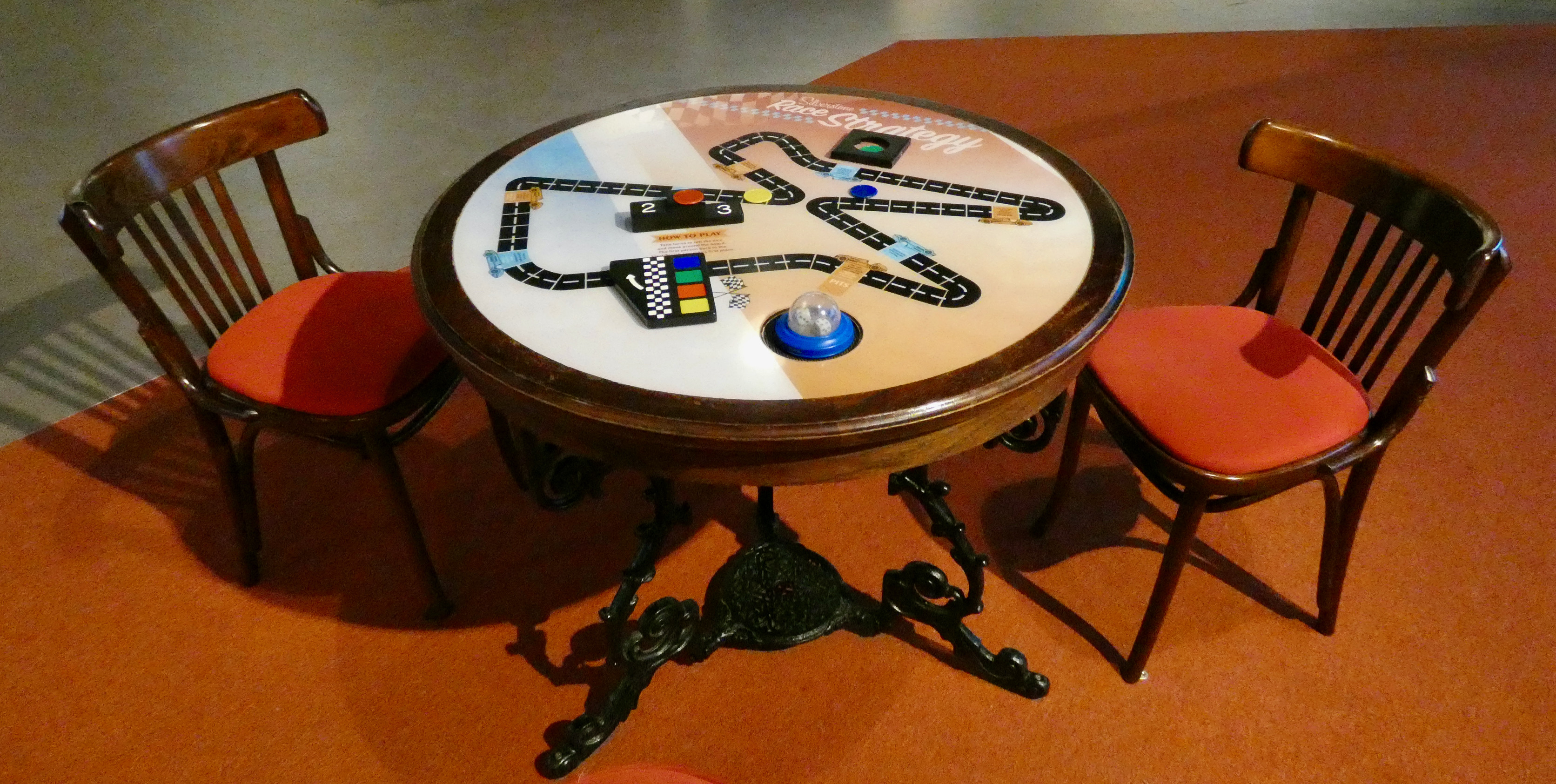
There’s a life-sized replica bar from the village pub in bygone days, including an old-fashioned table racing game, as the cleverly winding trail – it echoes the shape of the circuit – takes you through the early days of Brooklands and Silverstone.
The first race staged here was the Royal Automobile Club International Grand Prix on October 2, 1948. Two years later, the World Championship of Drivers was introduced, and that year’s British Grand Prix was the very first World Championship F1 race.

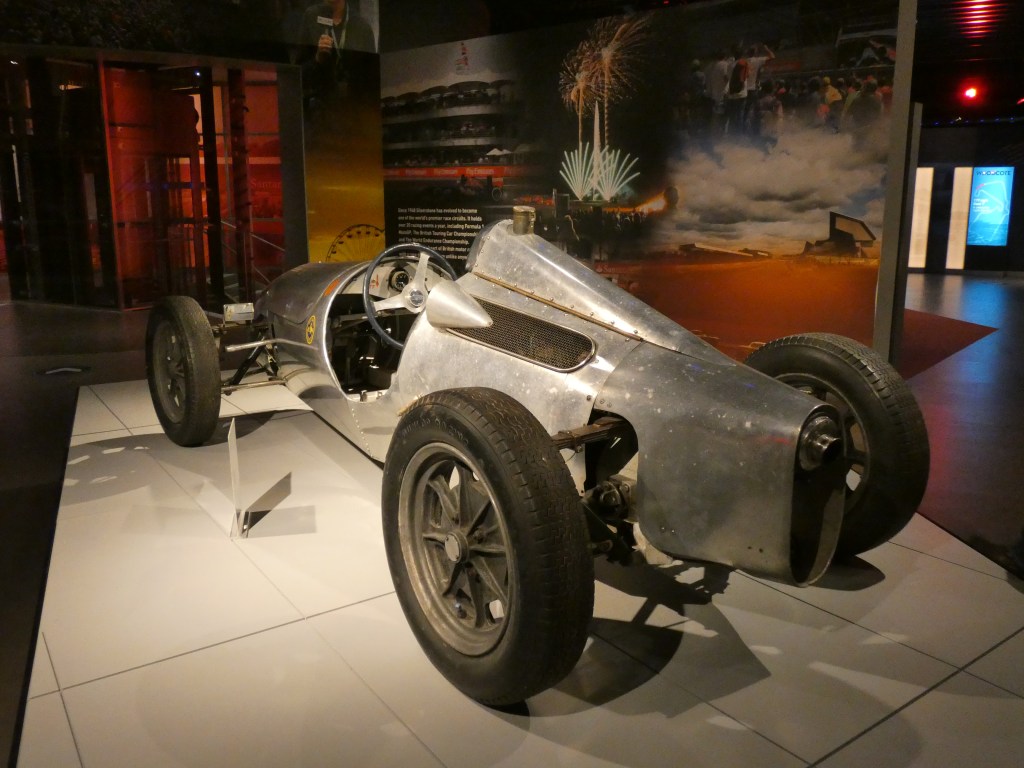
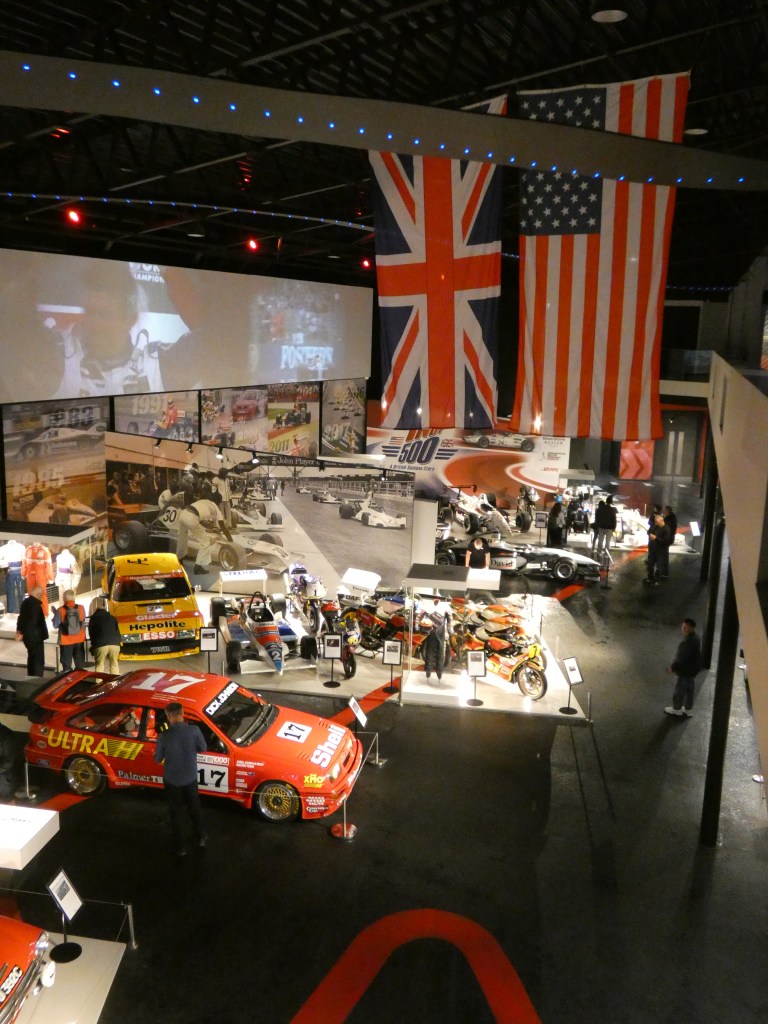
There’s a photo opportunity with a replica race car, cabinets full of gorgeous silver trophies and certificates, a beautiful classic car, and more history to take in. But pause for a panoramic view over the floor below, where there are iconic cars and motorbikes aplenty.

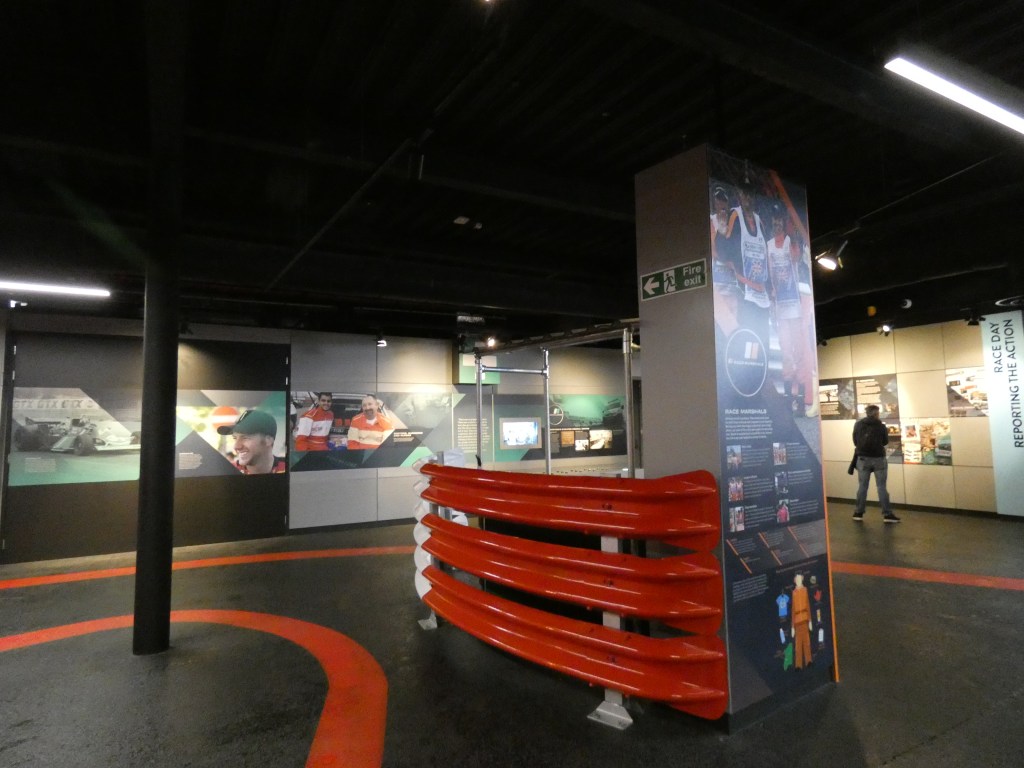
Head downstairs now for an area highlighting the safety measures and medical facilities set up over the years to deal with some spectacular, and sadly sometimes fatal, crashes – and ‘meet’ special effects-recreated legends such as Sir Jackie Stewart.
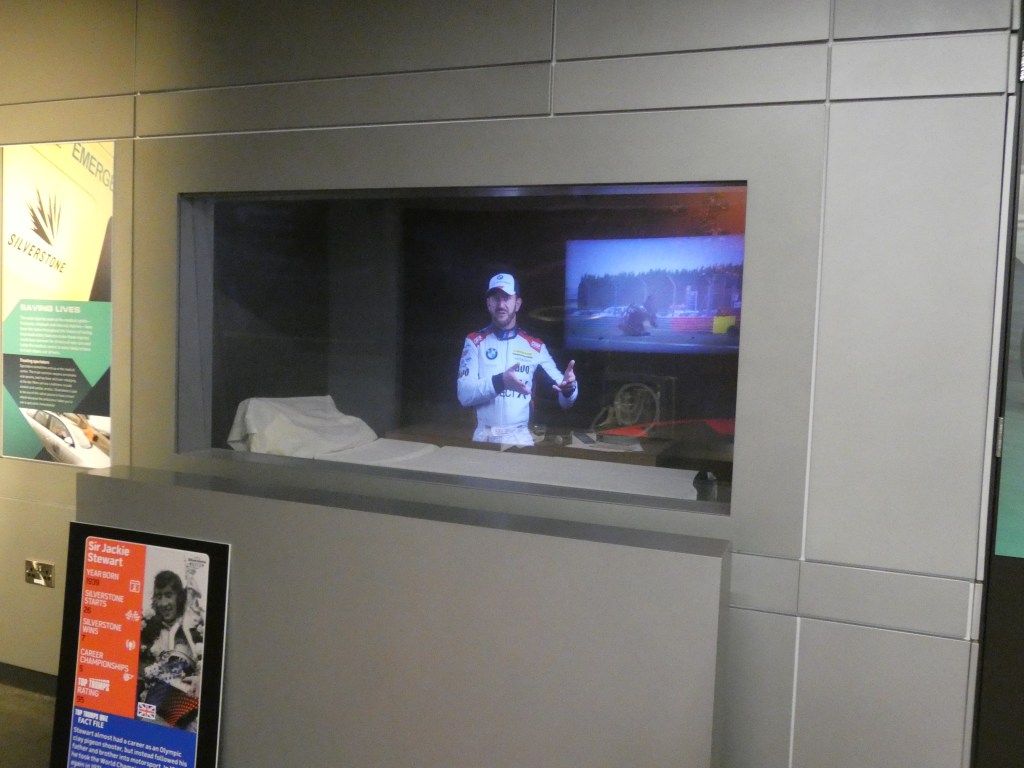
But from here on in, it’s time to marvel at the stars of the show. I’m no motoring buff, and I can’t reel off all the facts and figures, but I enjoy watching F1 on TV – plus I’ve twice visited the Monaco Grand Prix for real – and I appreciate works of art. Which these cars are.

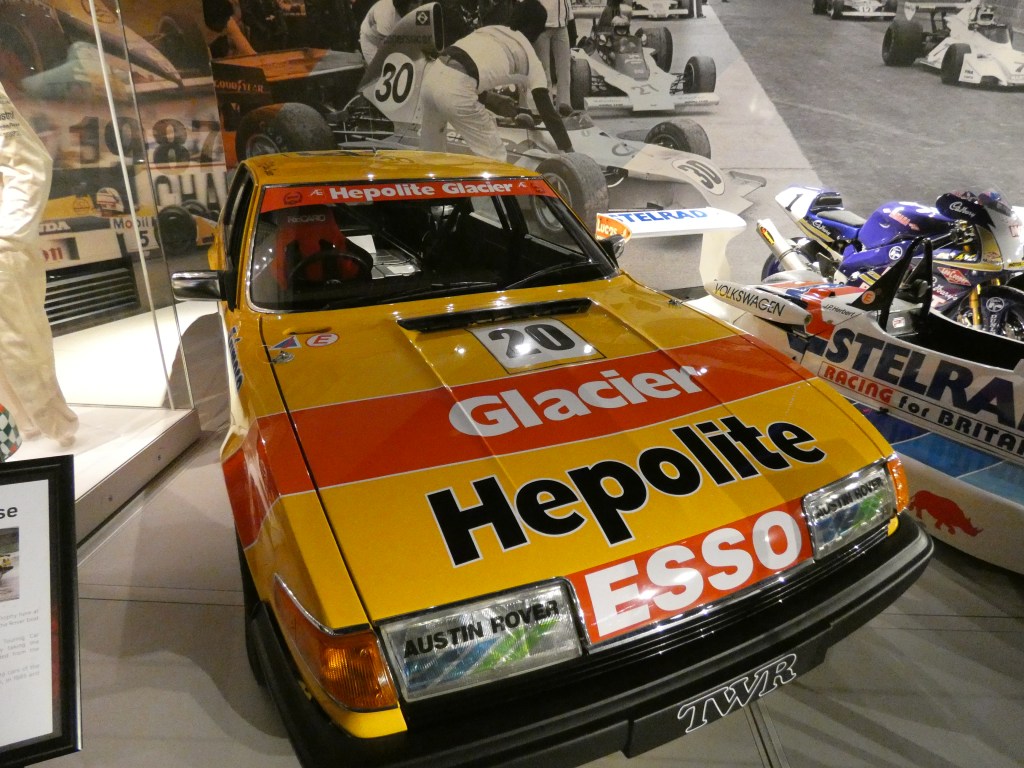


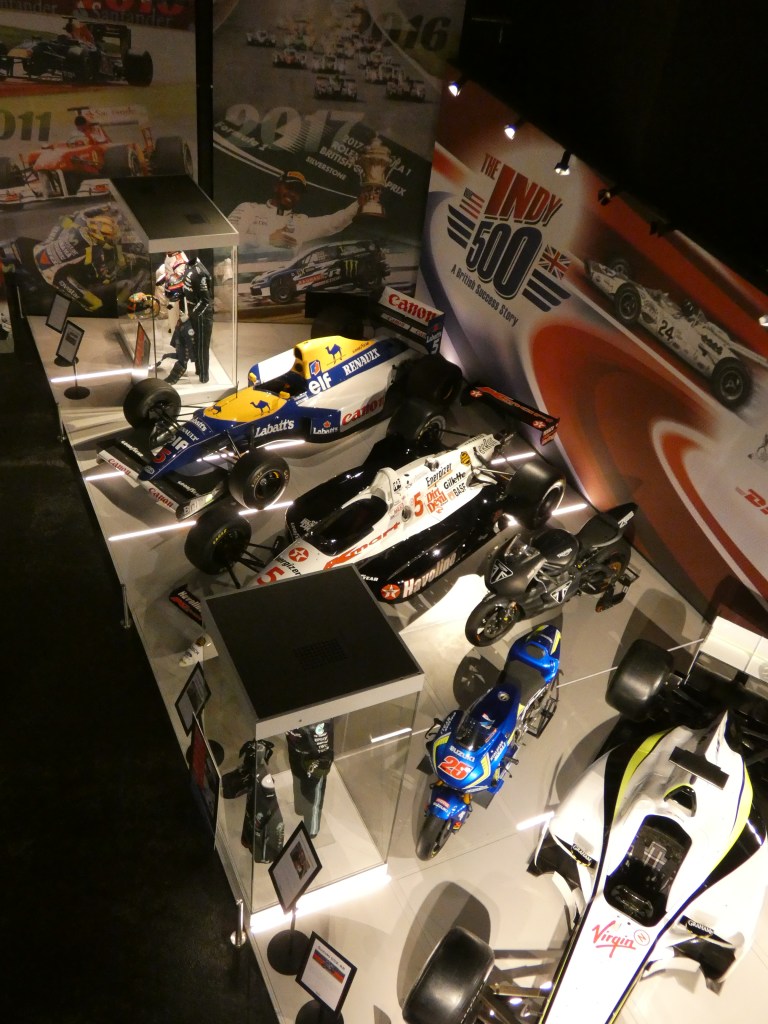
There are gleaming title-winning rally cars, world championship F2 and F1 cars, super bikes, Indianapolis 500 classics, electric racing cars – and even the odd go-kart. Whatever your taste, there’s almost certainly something here for you.
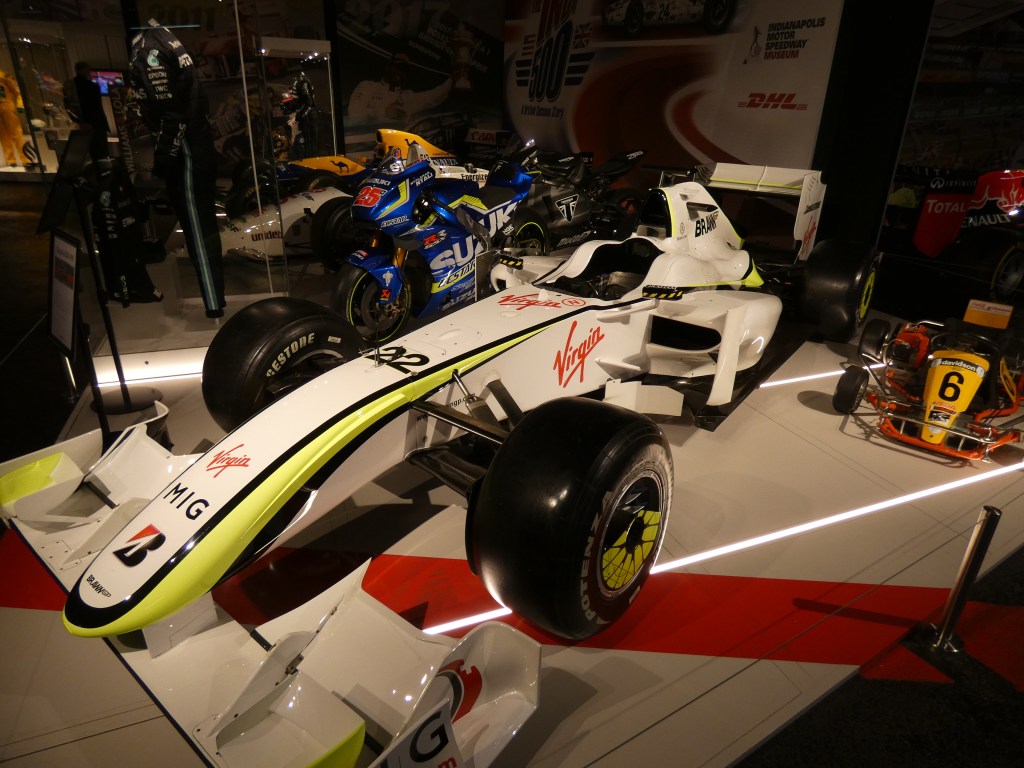
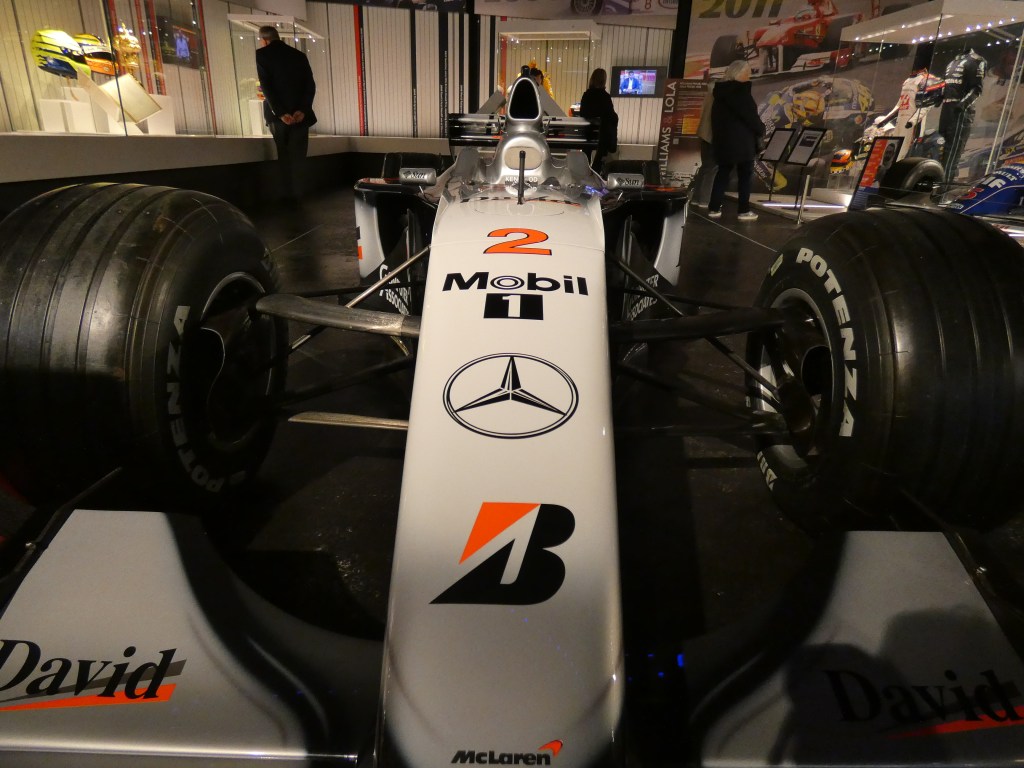

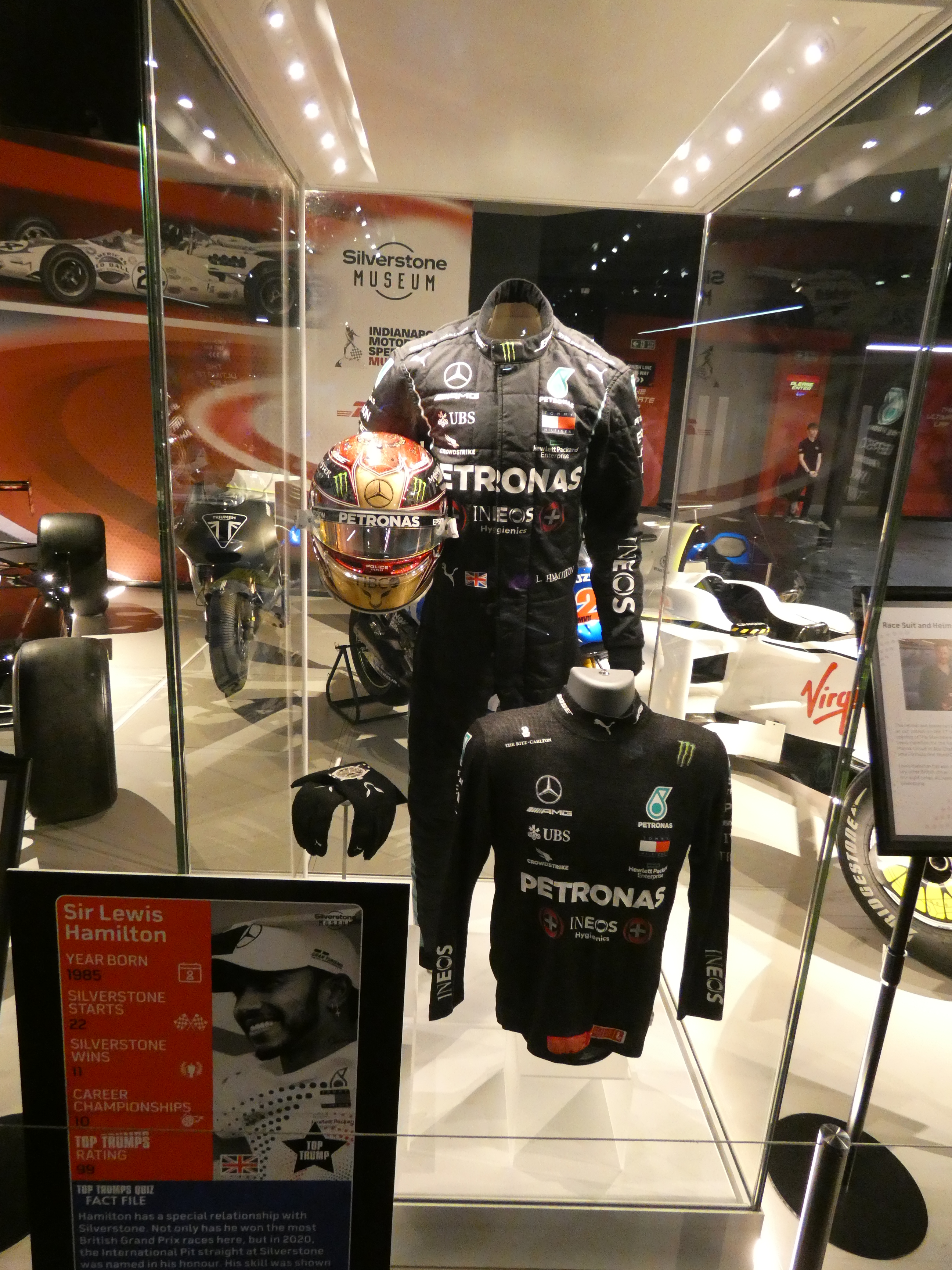
Then there are the helmets and racesuits worn by drivers stretching back from the early days of the track to modern day British heroes such as David Coulthard, Martin Brundle, Lewis Hamilton and George Russell.


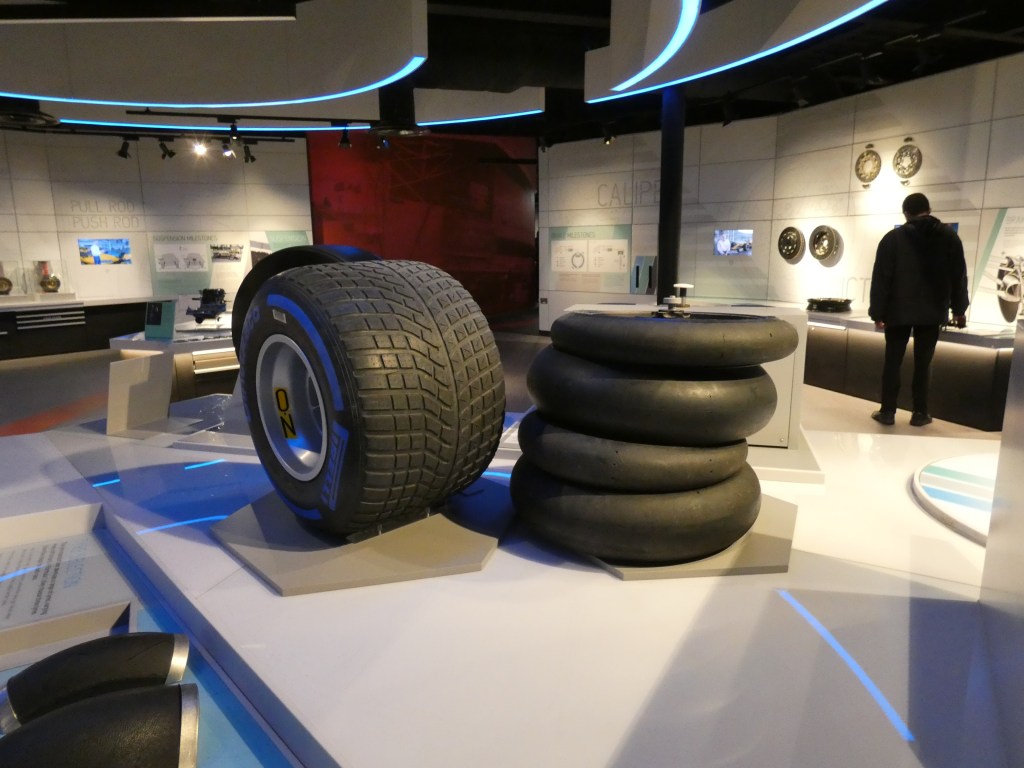
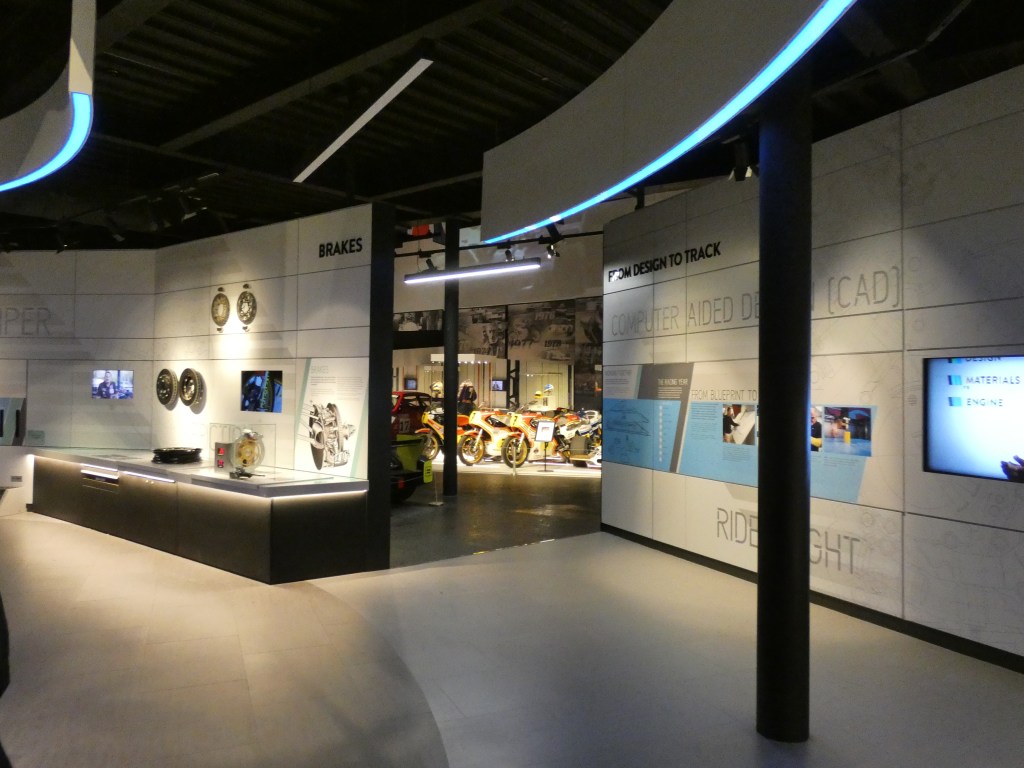
After you’ve admired the cars, check out a fascinating area devoted to the mechanics of it all, with interactive exhibits and videos showing you how modern-day racing cars work, the difference between the various tyres and the work of the pit stop crews.

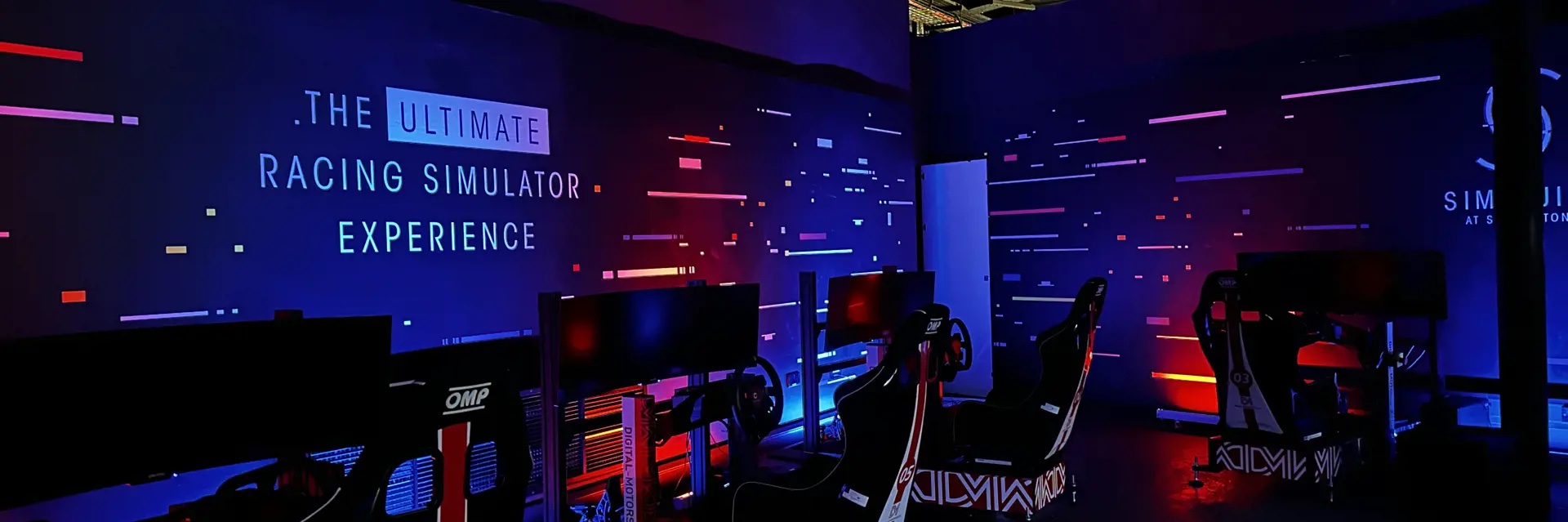
Last, but by no means least, the museum boasts a state-of-the-art simulator suite where, for an extra £20 – prebooking is essential to avoid disappointment – you can virtually race all manner of cars round the Silverstone track. This is high-end entertainment.
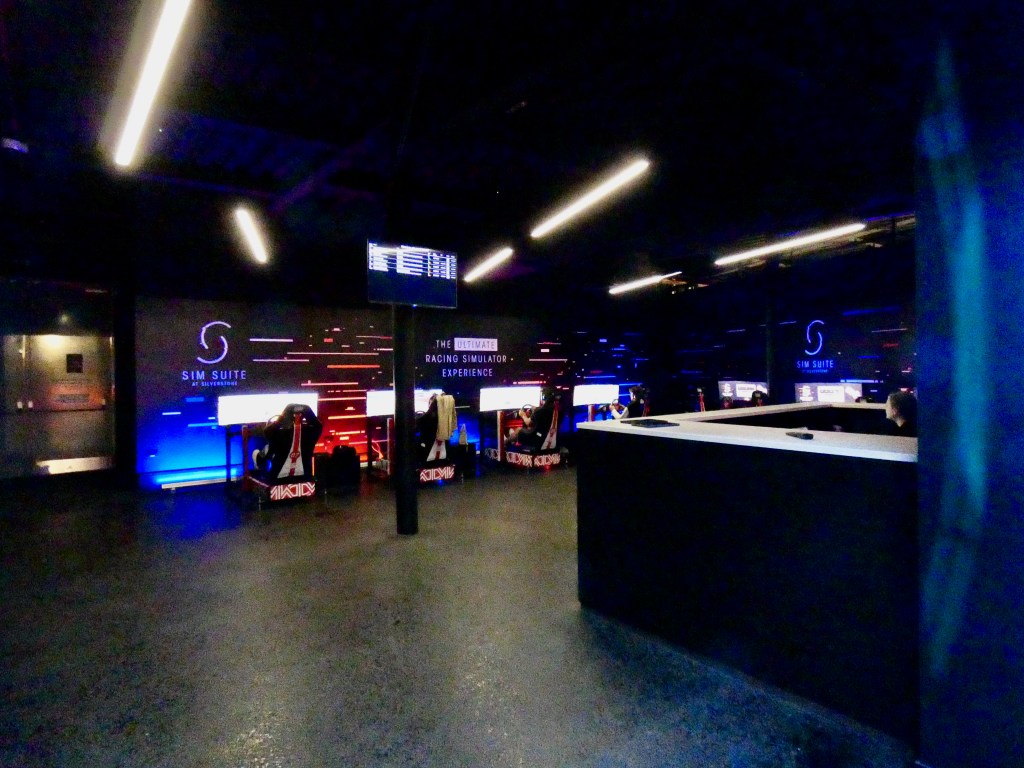

You leave via doors marked ‘The Ultimate Lap’, and it’s here that the choice of drivers in that opening preshow makes sense. Inside a large video room, a pit mechanic gives you an HD briefing about the race you’re about to take part in.

Then doors open up to reveal an immersive surround-screen cinema dome which delivers you to the track via the Red Arrows, then puts you behind the wheel to race a lap against Lewis Hamilton and those other legends of Silverstone. It’s a great ride.

Our visit lasted around three-and-a-half hours but could easily have been longer had we stopped to watch all the videos in the museum, and taken the full Heritage Track Trail. Good news is that if you agree to Gift Aid, your pass entitles you to unlimited visits for a year – so you can pop back to see what you missed.
For admission prices and hours – you need to book a timed arrival slot to avoid overcrowding – race off to the official museum site.
We paid for our own tickets and have no commercial link with Silverstone.

 Paul Cole Writes
Leave a comment