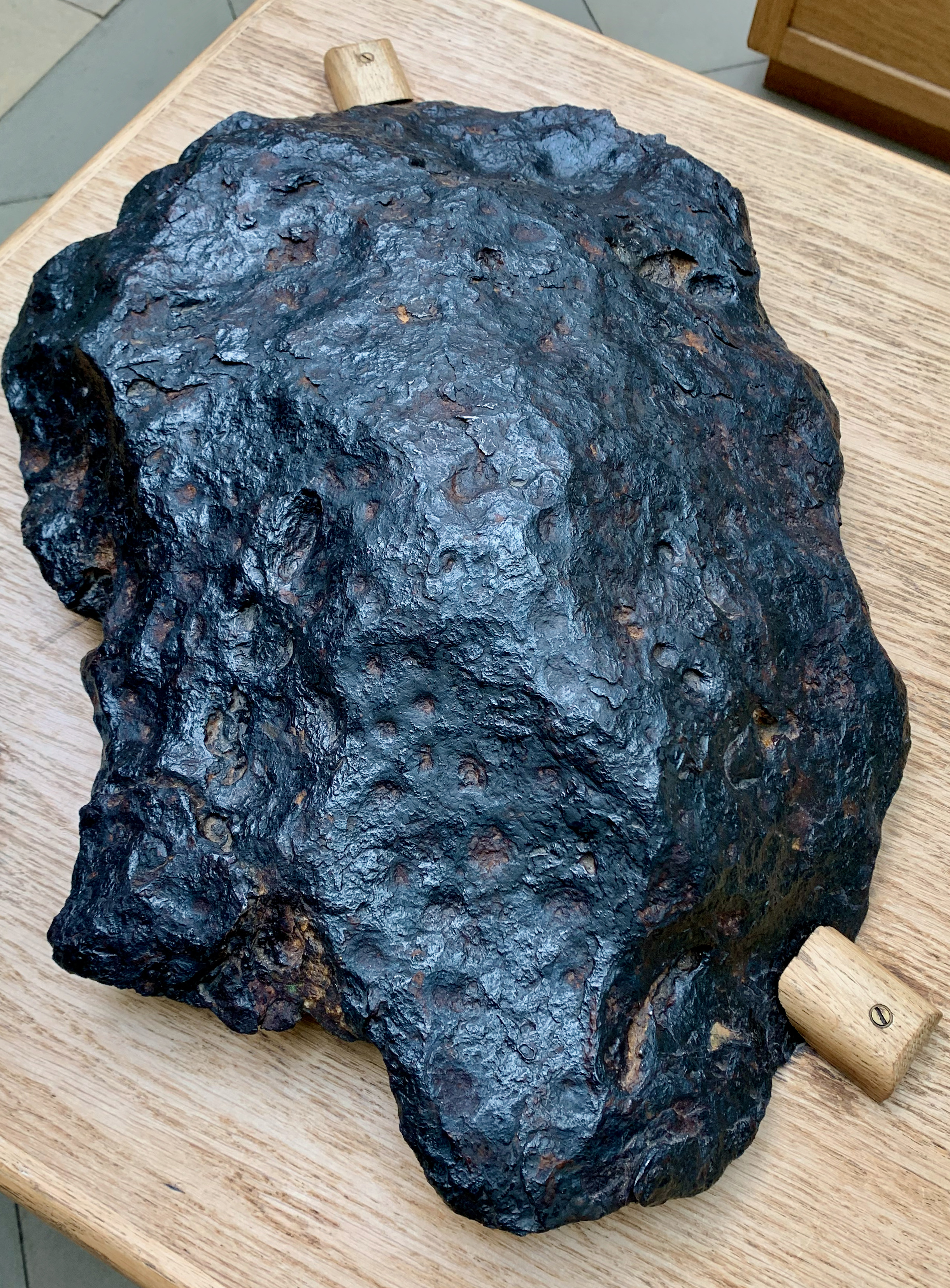
I AM reaching out to touch one of the oldest objects found anywhere on Earth. At around 4.5 BILLION YEARS old, the Nantan meteorite is as ancient as the planet itself. It’s unimaginably old, yet there’s no-one about to stop me.
In fact, there’s actually a sign suggesting ‘Please touch’. I stroke the surface of the nickel-iron clump and reflect on the fact that it came all the way from the asteroid belt – the collection of rocky material that orbits the Sun between Mars and Jupiter.

And, just think, to put that timespan in context, the dinosaurs only arrived around 230 million years ago. I expect some sort of electric emotional charge as my fingers brush the rock but there’s instead just a sense of awe, shared by my grandsons.
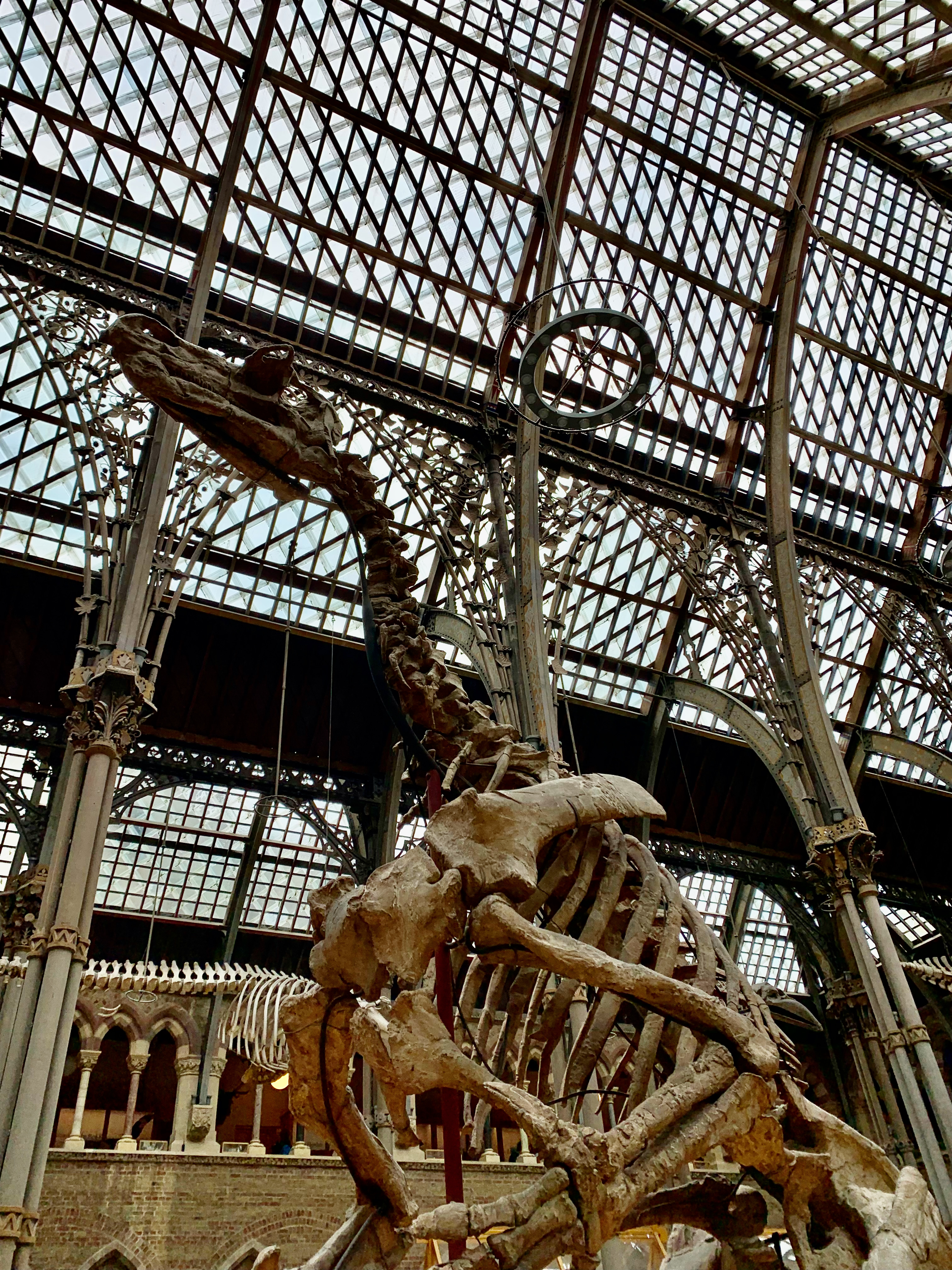
We’re at the Oxford University Museum of Natural History, a spectacular Neo-Gothic temple of learning that is really an Aladdin’s Cave of rare wonders, all presented in family-friendly fashion that makes it a must for school holiday trips.

I’m here with my wife and grandkids – dinosaur fan Miles (aged nine) and science buff Zachary (he’s 11) – on an outing during a family holiday up the road in the Cotswolds. The youngsters can’t wait to get their hands on the exhibits, and that’s just fine.
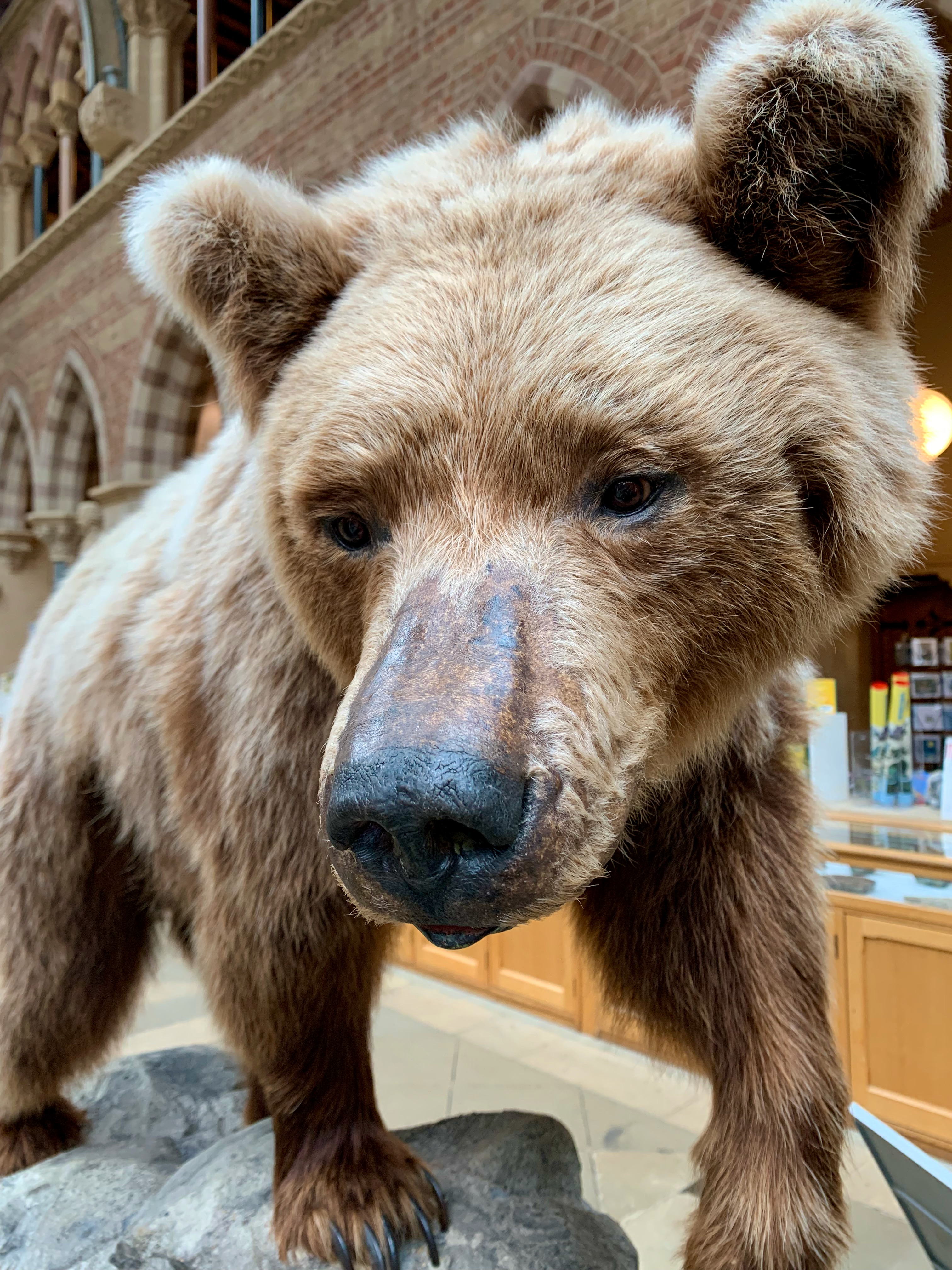
Because visitors are invited to touch many of the items on display here, including stroking the coarse fur of a bear and several other creatures (the taxidermists have done a remarkable job) or tracing the ridges of rocks and fossils

Then there’s the strange feel of the polished pyrite texture of a 10 million-year-old chunk of Fool’s Gold, which proved one of the kids’ touchy-feely favourites of our visit. All that glisters, eh?

That’s something that makes the museum all the more appealing for all ages. You’re asked, however, not to touch the many replica dinosaur skeletons populating the place like an out-take from the Jurassic Park film franchise, but that’s common sense. They’re huge.

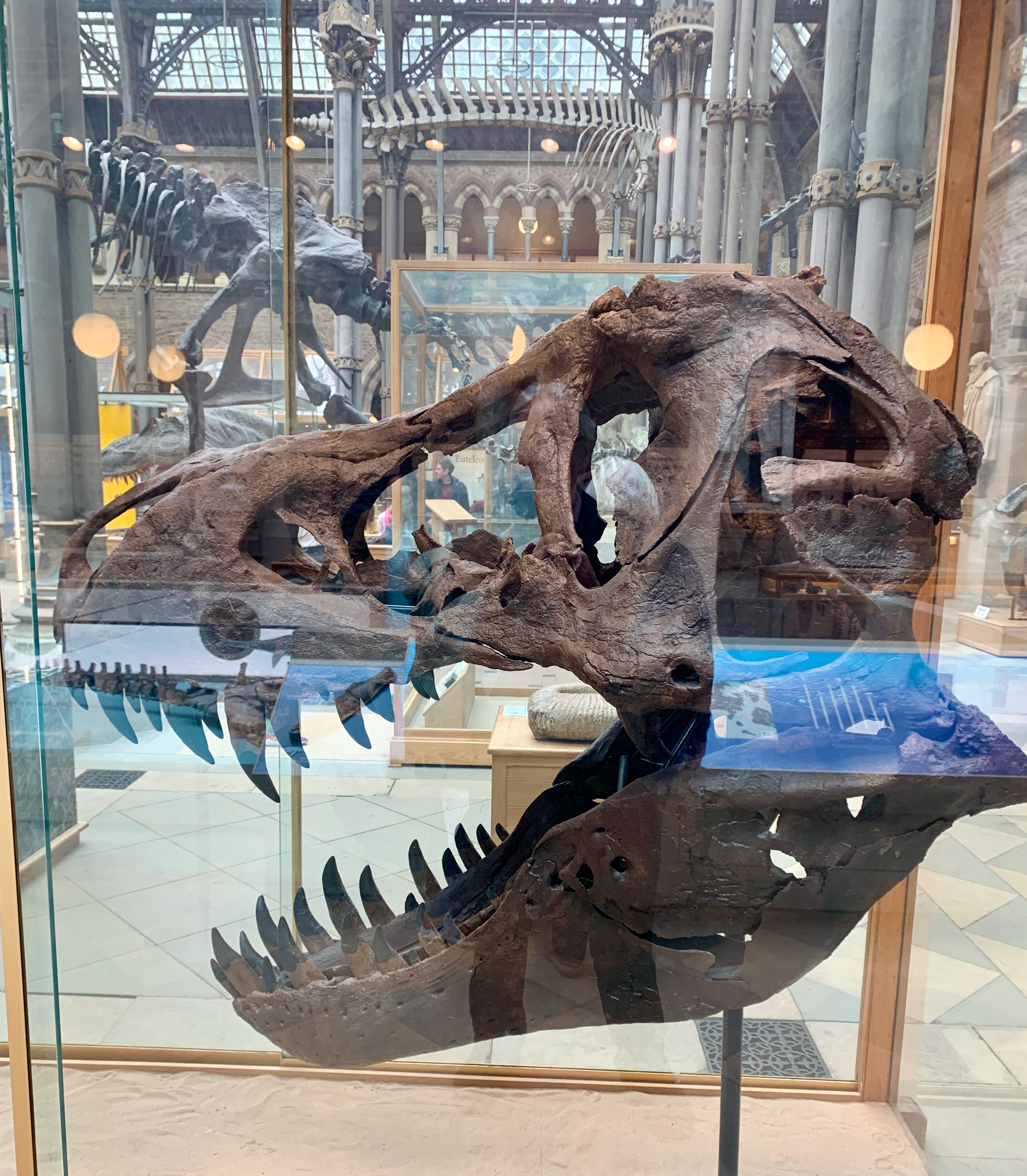
The giant Tyrannosaurus Rex – every child’s favourite – looks suitably ferocious and its gaping jaw is a popular selfie spot. The once maligned monsters have turned heroes these days thanks to the machinations of those Jurassic Park plots.

There are real dino bones here, too, including a Megalosaurus jaw which was the first ever fossil to be described as a dinosaur back in 1824, and which was discovered in nearby Stonesfield. There’s an Ichthyosaur found by palaeontologist Mary Anning in 1835.
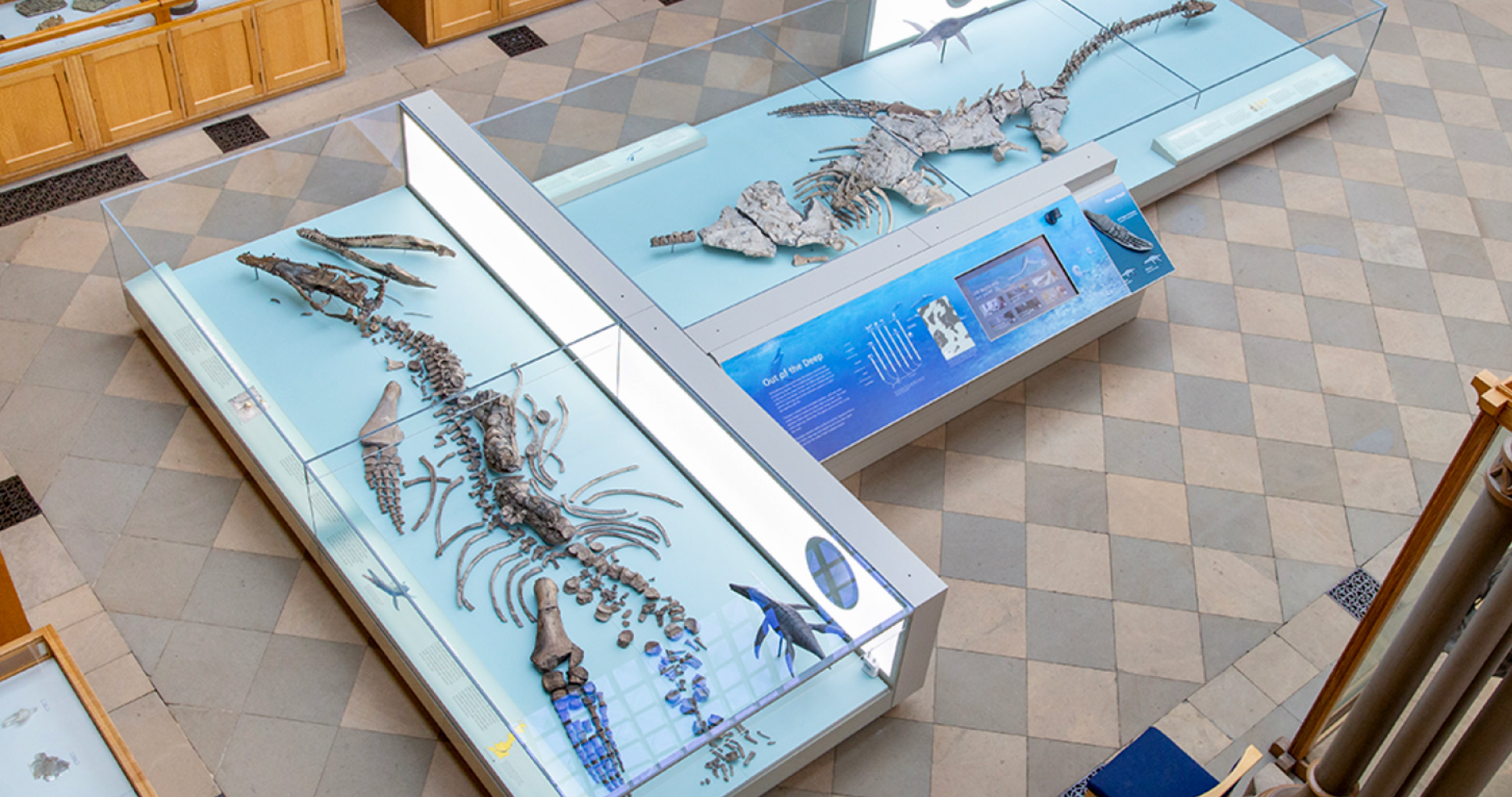
Two large Pleisiosaurs – the jury’s still out on whether they may still live in the depths of Loch Ness, although it’s unlikely – are equally impressive, creating the centrepiece of an area dubbed Out Of The Deep, dedicated to marine life.

There are also towering skeletons of contemporary critters including an elephant, bison, giraffe, horse, polar bear, rhino, elk and others. Look up, too, for the whale and dolphin skeletons swimming overhead.

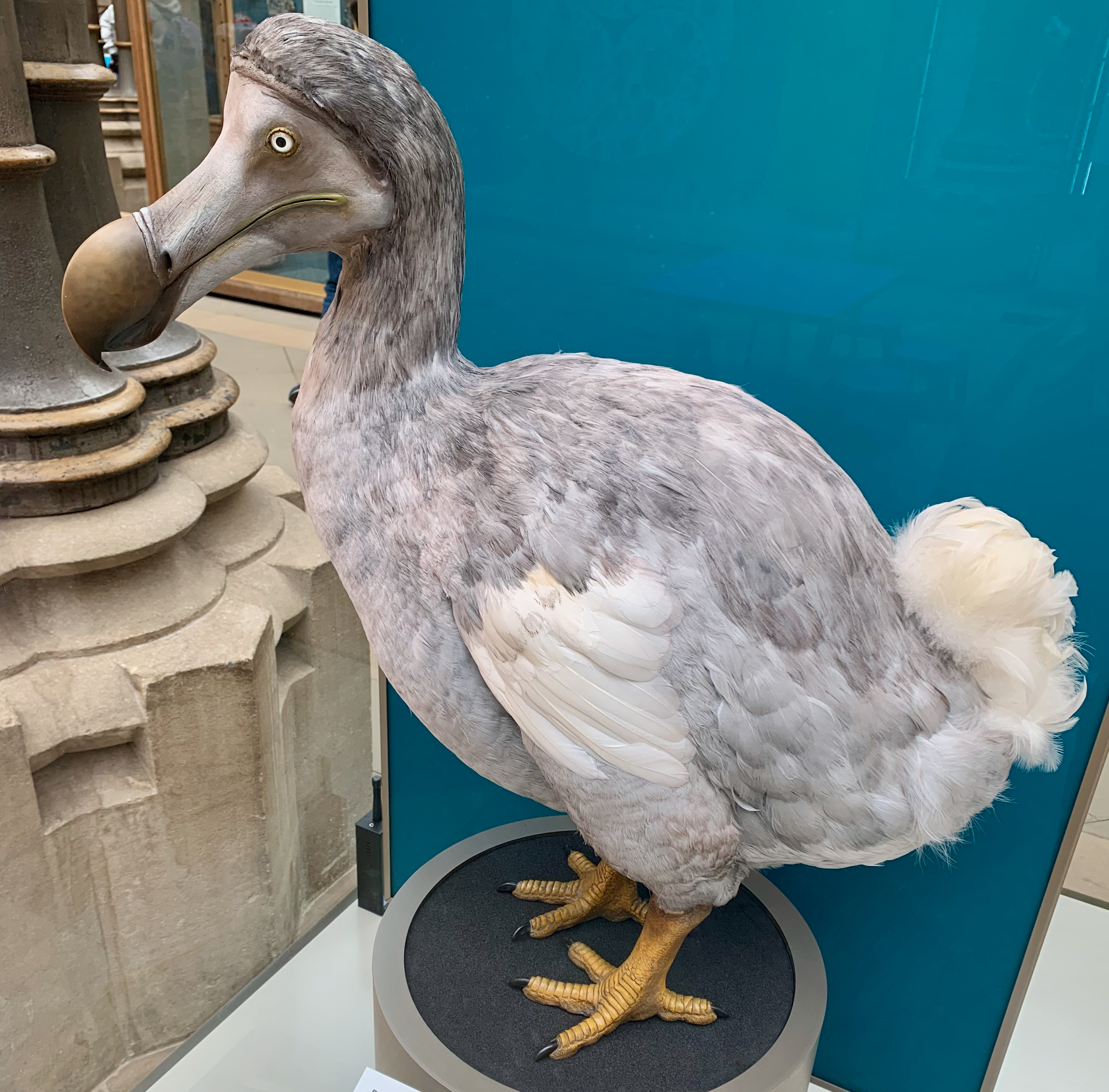
And don’t miss the long lost Dodo, extinct since the early 1680s, which gives the museum its logo. You can see both a life-sized recreation of the flightless bird and a cast of its skull. The only surviving remains of dodo soft tissue are kept here too.
Elsewhere, displays include bioluminescent crystals, gemstones, insects, a trilobite wall inhabited by 450 million-year-old fossils, and human skeletons tracing the evolution of man – the Darwinian discovery famously debated here in 1860, the year the museum was established.
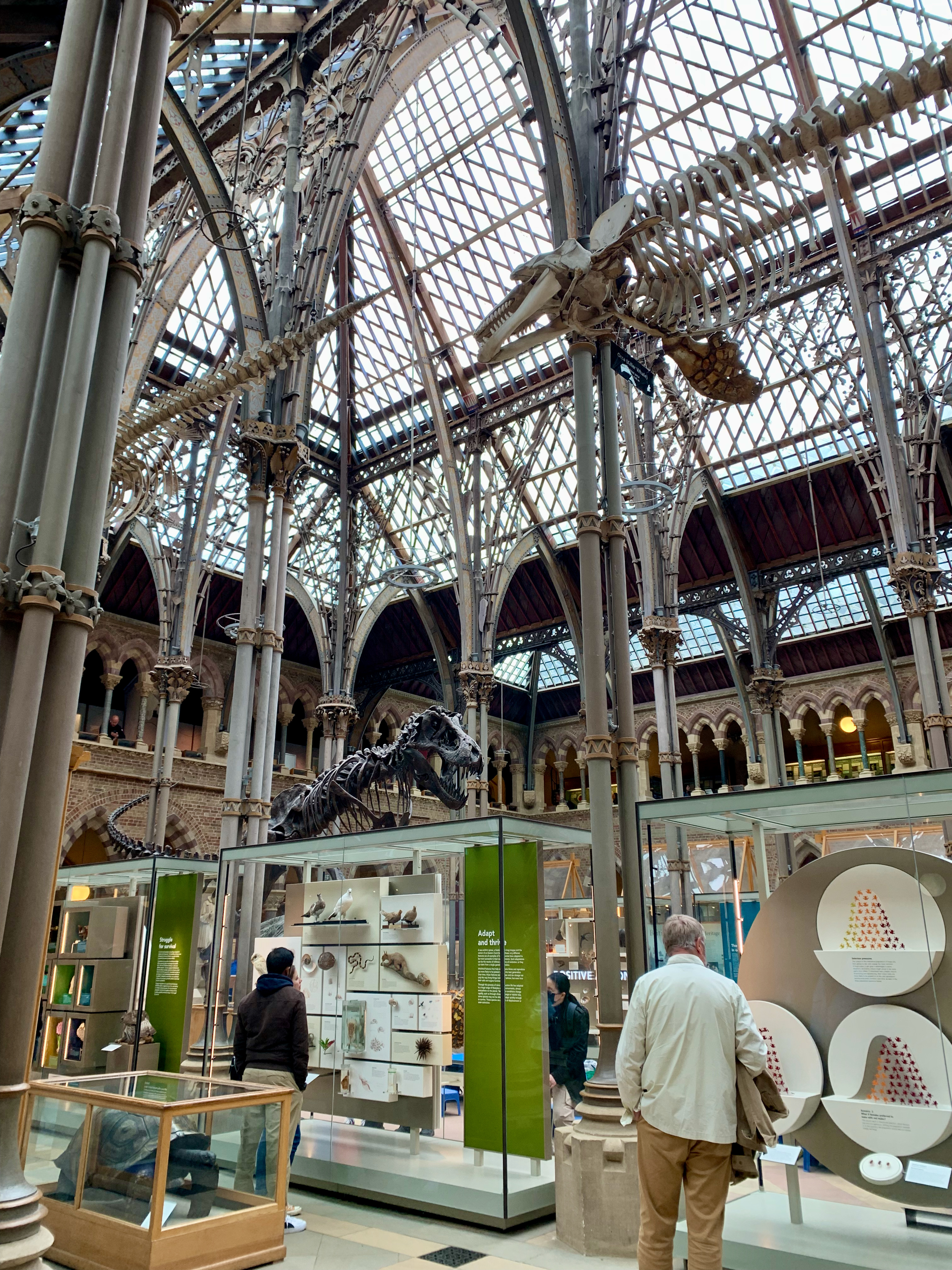
The building itself is beautiful, with a soaring glass and cast iron roof against which the silhouettes of skeletons starkly stand out. Around the perimeter are 126 columns, each made from a different British decorative rock, labelled with the name of the stone.

Visitors are watched over by the statues of great scientists, including Aristotle, Galileo, Isaac Newton and Charles Darwin, alongside modern additions such as Oxford crystal researcher Dorothy Hodgkin, winner of the Nobel Prize for Chemistry in 1964.
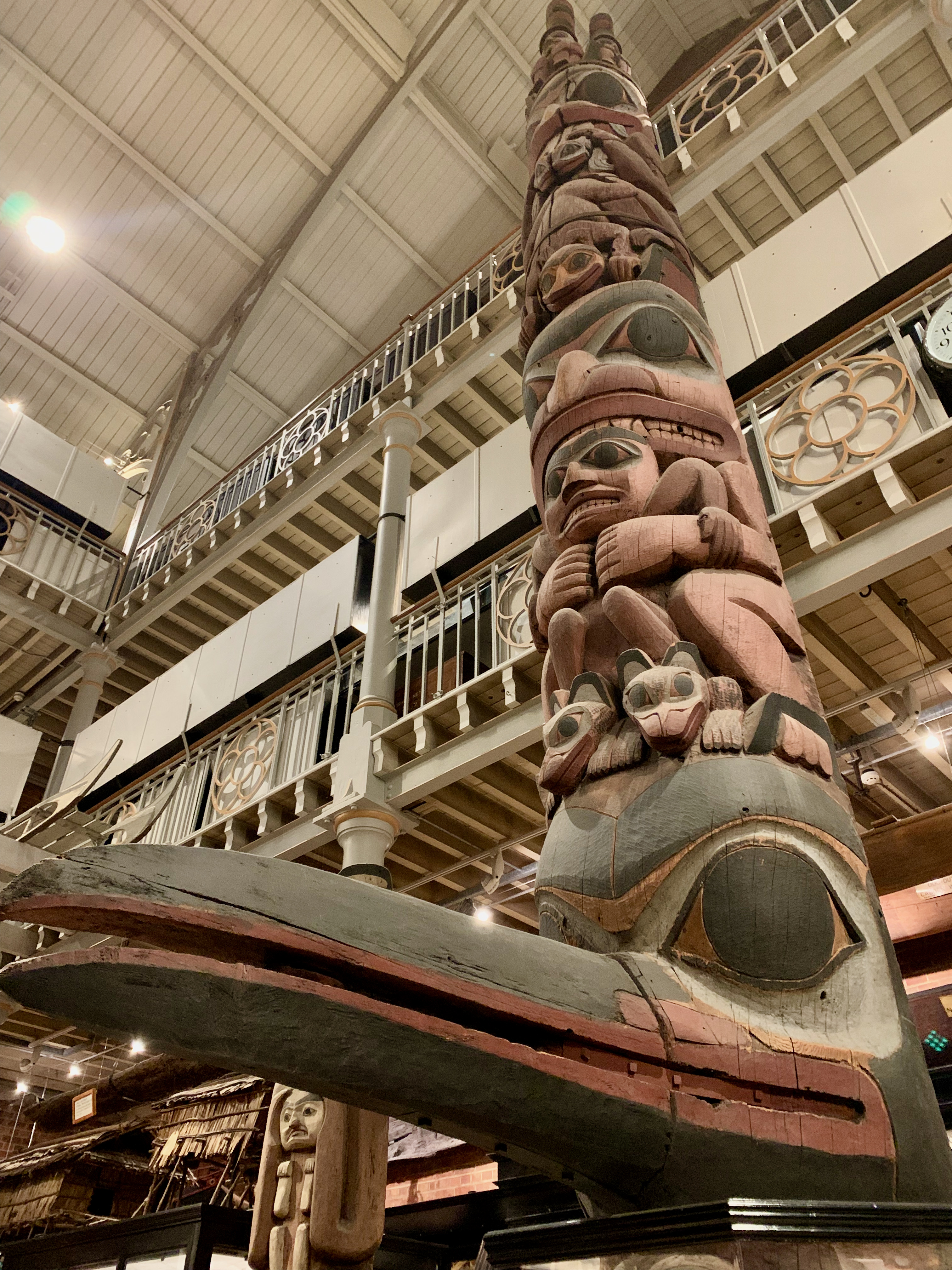
Your first impression is as if you’ve stepped into a Harry Potter book such is the scale and architecture of the main hall, and the adjoining anthropology Pitt Rivers Museum with its mysterious maze of cabinets and towering totems.
Most remarkable of all, admission is completely free, including the current Connected Planet exhibition which runs until August 20, and which you can get a taste of online here. Now that’s what I call a bargain, especially in this day and age.
MILES’ VERDICT

We went to the Natural History Museum in Oxford, and if you’re worrying that you might not have enough money to go in, don’t worry – it’s free! There are some fun scavenger hunts to find dinosaur skeletons and help you look round and find interesting things.
There are some massive dinosaur and animal skeletons to look at and also animal furs and snake skins you can feel. At the back there’s an exhibit with glow in the dark rocks and around the middle there are precious stones, and a very ancient rock which is more than a billion years old.

In another room at the back called Pitt Rivers there is a huge totem pole, and it was very cool to see what a totem pole looked like! My favourite part was the massive Tyrannosaurus Rex, and finding new facts to learn about dinos that I never knew.
If you are a bit hungry there is a cafe for a drink and a snack. And at the end there is a gift shop where you can buy lots of dinosaur things like different teddies, digging for mini bones and many more fun activities. If you’re a dino fan I really recommend that you go!
ZACHARY’S VERDICT

I went to the Natural History Museum in Oxford. Me, my brother, Grandma and Grandad did a dinosaur hunt, where we had to find the skeletons of specific dinosaurs.
There was a T-Rex (Tyrannosaurus rex), Compys (Compsognathus) and many more. So, it was fun and we found a lot of dinosaurs, and found out a lot of facts along the way.

We saw a lot of other objects in the main exhibit, such as a rock that was over 1 BILLION YEARS OLD. There was also a bunch of animals, a diagram about the earth’s magnetic shield and a load of bioluminescent rocks.To conclude, the main exhibit was cool.
Finally, there was another museum at the back, filled with a huge totem pole, ancient objects and other human items. Due to this, the back exhibition was good too. Overall, the whole museum is a great place to visit and learn about history. You should visit too.
NEED TO KNOW

The Oxford University Museum of Natural History is sited in Parks Road, Oxford OX1 3PW, and is open daily from 10am to 5pm. Admission is free. You’re invited to make a voluntary donation of £5 but there’s no pressure to do so. See www.oumnh.ox.ac.uk
Be warned that, apart from three Blue Badge bays, there is no car parking on site. Pay and Display bays are available nearby in Mansfield Road, Keble Road and Blackhall Road but are limited to two hours for £13-plus, with no return within an hour.

There’s a lot to see, and you’ll need more time than that if you’re feeling peckish. Eat The Future on the Upper Gallery serves hot lunches, salads, snacks and drinks, while on the front lawn the aptly-named Horsebox coffee bar offers cakes, snacks and hot drinks with al fresco seating.
A variety of family ‘treasure’ trails are also free to guide you through the museum, ticking off skeletons, dinosaurs, fossils, birds and a Top 10 exhibits. You can pick them up at the museum or print them off here.
One option is park at the Westgate Shopping Centre in Thames Street, Oxford OX1 1TS, which is a 20-minute walk from the museum – or use the Park and Ride service.
Construction work is currently taking place on the main court of the museum to install new showcases and displays, and some exhibits may temporarily be moved or removed but during our visit in June 2023, there was little impact other than building work outside.


 Paul Cole Writes
Leave a comment